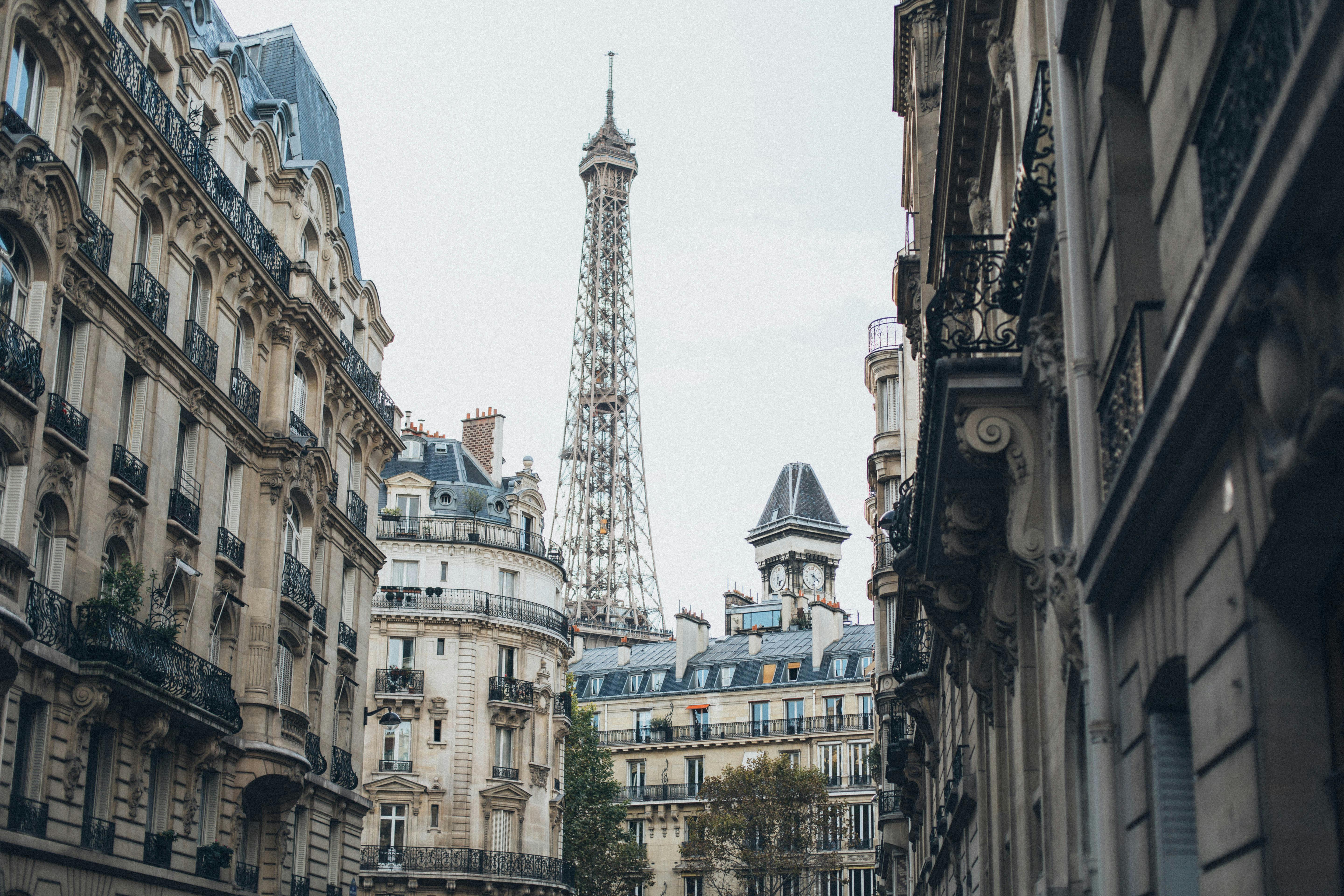
Paris is one of those cities that feels familiar long before you visit, yet somehow still manages to surprise you once you arrive. From grand boulevards and world-famous museums to quiet neighbourhood cafés and riverside walks, the French capital blends iconic landmarks with everyday life in a way few cities can match.
This Paris Travel Guide focuses on the experiences that genuinely helped us enjoy Paris without feeling overwhelmed. With so many famous sights — from the Eiffel Tower to the Louvre — it’s easy to fall into the trap of trying to see everything. In reality, the best way to experience Paris is to combine a few well-chosen tours with long walks, relaxed meals, and time spent simply soaking up the atmosphere.
In this guide, we’ll cover the best tours in Paris, the food spots that stood out during our visit, and a handful of experiences that help bring the city’s history and culture to life. Whether you’re visiting for a long weekend or building Paris into a wider European trip, the goal here is to highlight what’s actually worth prioritising.
Paris rewards curiosity and patience. Take your time, wander between neighbourhoods, stop for coffee more often than planned, and let the rhythm of the city guide your days. Done this way, Paris quickly shifts from being a checklist of landmarks to somewhere you genuinely connect with.
Table Of Contents

Things to Do in Paris: First Impressions & Getting Oriented
One of the first things you notice when arriving in Paris is just how effortlessly beautiful the city feels. Wide boulevards lined with classic Haussmann buildings, cafés spilling onto pavements, and historic landmarks appearing around almost every corner make even simple walks feel memorable.
Paris is surprisingly walkable for such a major capital. Many of the city’s most famous sights — the Eiffel Tower, the Louvre, Notre-Dame, and the Seine — are relatively close together, making it easy to explore large parts of the city on foot. In fact, walking between neighbourhoods is often the best way to understand how the city fits together.
The Seine River acts as a natural anchor point when getting your bearings. Many major landmarks sit along its banks, and following the river is one of the simplest ways to navigate the historic centre. Crossing its bridges also reveals some of the most iconic views of Paris.
Neighbourhoods also shape the character of the city. Areas like Saint-Germain-des-Prés feel elegant and literary, while Le Marais offers smaller streets, independent shops, and a lively food scene. Meanwhile, the districts surrounding the Eiffel Tower and the Louvre tend to be more focused on sightseeing.
One of the best ways to get oriented early in your visit is simply to wander without a strict itinerary. Walk along the river, stop at cafés, and explore side streets that catch your attention. Once you’ve done this, structured experiences — guided tours, museum visits, or food tours — feel far more meaningful because you already have a sense of the city’s rhythm.
Paris is a place where slowing down actually improves the experience. Give yourself time to explore, and the city reveals itself naturally.
Best Tours in Paris: The Experiences Worth Booking
Paris has an almost overwhelming number of attractions, and without some structure it’s easy to spend more time queueing than actually experiencing the city. These tours stood out during our visit to Paris because they combine convenience, insight, and memorable experiences. If you’re looking to prioritise a few activities that genuinely add value, these are excellent choices.

Eiffel Tower Summit Ticket & Seine River Cruise
Visiting the Eiffel Tower is a must, but the queues can be daunting. This tour solves that problem by providing organised access to the summit, allowing you to enjoy the experience rather than worrying about logistics.
The real highlight is combining the tower with a Seine River cruise. Seeing Paris from the water offers a completely different perspective, with many of the city’s most famous landmarks lining the riverbanks. It’s a relaxed way to take in sights like Notre-Dame and the Louvre after the excitement of the tower.
👉 View the Eiffel Tower summit ticket & Seine cruise experience

Special Access Catacombs Tour: The Secret History of Paris
The Paris Catacombs offer one of the most unusual experiences in the city. Beneath the streets lies a vast network of tunnels lined with the remains of millions of Parisians — a haunting but fascinating piece of the city’s history.
This special-access tour goes beyond the standard route, revealing restricted areas that most visitors never see. The guides do an excellent job explaining how the tunnels formed and why the remains were moved here in the first place, turning what could be a macabre curiosity into a genuinely interesting historical experience.
👉 Explore the special-access Paris Catacombs tour

Louvre Skip-the-Line Guided Tour
The Louvre Museum is one of the largest and most visited museums in the world, which means navigating it alone can feel overwhelming. A skip-the-line guided tour helps cut through the chaos and focuses your visit on the most important works.
Your guide highlights masterpieces like the Mona Lisa while explaining the historical and artistic context behind them. Instead of wandering aimlessly through endless galleries, you come away with a clear understanding of the museum’s most significant pieces.
👉 View the Louvre skip-the-line guided tour

Versailles Palace & Gardens Day Trip
A visit to Palace of Versailles offers a glimpse into the extravagant world of French royalty. The palace’s opulent interiors and vast gardens showcase the immense wealth and power of Louis XIV.
This guided tour includes transport from Paris, making the trip far easier to organise. Once there, you’ll explore highlights like the famous Hall of Mirrors and stroll through the spectacular gardens. It’s one of the most rewarding day trips you can take from the city.
👉 Book the Versailles Palace & Gardens day trip

Moulin Rouge Show with Champagne
The Moulin Rouge is one of Paris’s most famous nightlife experiences. The cabaret show combines elaborate costumes, music, choreography, and theatrical spectacle in a way that feels distinctly Parisian.
This experience includes champagne during the performance, making it a fun and celebratory evening activity. It’s theatrical, glamorous, and a memorable way to experience Paris after dark.
👉 View the Moulin Rouge show with champagne

Montmartre Cheese, Wine & Pastry Tour
Food is such an important part of Parisian culture, and this walking tour through Montmartre is a fantastic introduction to it. Over several stops, you’ll sample French cheeses, pastries, and wines while exploring one of the city’s most charming neighbourhoods.
Montmartre itself is worth the visit alone, with its artistic history, narrow streets, and views from Sacré-Cœur. Combined with the tastings, this tour offers both sightseeing and culinary insight in a relaxed setting.
👉 Join the Montmartre cheese, wine & pastry tour
Why these tours work so well together
These experiences capture different sides of Paris: iconic landmarks, hidden history, art, royal heritage, food culture, and nightlife. You don’t need to book them all, but choosing a few will give you a well-rounded understanding of the city while saving time and avoiding the stress of organising everything yourself.

Paris Food Guide: What Makes the City Special
Food in Paris isn’t just something you plan around — it’s woven into everyday life. From neighbourhood bakeries and casual bistros to classic brasseries and fine dining restaurants, eating well in Paris feels effortless. The city’s food culture is built on tradition, quality ingredients, and a rhythm that encourages slowing down and enjoying meals properly.
One of the first things visitors notice is how central cafés and bakeries are to daily routines. Mornings often start with a simple pastry and coffee, afternoons might include a stop for bread or dessert, and evenings stretch into relaxed dinners that can last for hours. Unlike in many major cities, meals in Paris rarely feel rushed — they’re part of the experience rather than just a break between sightseeing.
Classic French dishes also play a big role in defining the city’s culinary identity. Rich sauces, carefully prepared meats, fresh seafood, and indulgent desserts appear across menus, often alongside seasonal produce sourced from nearby regions. Even simple dishes can feel elevated thanks to the quality of ingredients and attention to detail.
Another standout feature of the Paris food scene is its diversity. While traditional French cuisine remains at the heart of the city, international influences have created a wide range of dining options across different neighbourhoods. From elegant restaurants to small, family-run eateries, there’s something to suit almost every taste and budget.
What really makes Paris special, though, is the atmosphere that surrounds the food. Eating here often means sitting outside at a café, watching the city move around you, or lingering over wine and conversation long after the plates are cleared. It’s this combination of great food, beautiful surroundings, and a relaxed pace that turns even a simple meal into a memorable part of your visit.

Where to Eat in Paris: Our Personal Picks
Paris is one of the easiest cities in the world to eat well, but the sheer number of options can also make choosing restaurants surprisingly difficult. During our time in Paris, these were the places that stood out — a mix of traditional French bistros, modern restaurants, and a few international spots that add variety to the city’s already impressive food scene.
Le Chat Ivre
A relaxed neighbourhood restaurant that offers a modern take on French cooking. The atmosphere feels casual and welcoming, making it a great place for a laid-back dinner after a day of exploring the city.
Le Coq et L’éléphant
A charming restaurant that blends traditional French influences with creative presentation. It’s a good example of the kind of smaller Parisian restaurant where thoughtful cooking and seasonal ingredients take centre stage.
Pirosmani
A standout choice if you want something a little different from classic French cuisine. Pirosmani serves Georgian food, offering bold flavours and dishes that feel comforting and generous — a welcome change from more traditional Parisian menus.
Blue Bao
Blue Bao brings a modern Asian twist to the Paris food scene. The interior is stylish and energetic, and the menu focuses on well-executed bao buns and small plates that are ideal for sharing.
Orgueil
A refined dining experience that still feels approachable. The menu leans toward modern French cuisine, combining creativity with strong technical cooking.
Les Demoiselles
A classic Parisian dining experience with an elegant but comfortable atmosphere. The kind of place where you can enjoy traditional French dishes in a relaxed setting.
Bistrot Monceau
A traditional bistro that captures the spirit of everyday Paris dining. Expect classic French comfort food served in a welcoming setting that feels authentically local.
Santa Carne
A fantastic choice for steak lovers. Santa Carne focuses on high-quality cuts of meat, cooked simply and well, making it a great break from heavier French dishes.
La Petite Rose des Sables
A cosy and slightly hidden spot that offers a more intimate dining experience. Perfect if you’re looking for somewhere quieter away from the busiest tourist areas.
Brasserie Bellanger
A lively brasserie that celebrates traditional French cooking. With its classic décor and bustling atmosphere, it’s a great place to experience the energy of a true Parisian brasserie.
La Petite Chaise
Often cited as one of the oldest restaurants in Paris, La Petite Chaise is as much about history as it is about food. The traditional menu and historic setting make it a memorable dining experience.
Frederic Simonin
For a more refined dining experience, Frederic Simonin offers elegant French cuisine with Michelin-star pedigree. It’s an excellent option if you’re looking to treat yourself to a higher-end meal in Paris.
A quick dining tip
Paris restaurants often fill up quickly, particularly in popular neighbourhoods. Booking ahead is always a good idea, especially for dinner — but don’t be afraid to stop at smaller bistros you discover while walking around. Some of the best meals in Paris happen completely by chance.

Where to Stay in Paris: Our Hotel Recommendations
Choosing the right area to stay in Paris can make a huge difference to your trip. Paris is a large city, but staying centrally allows you to explore many of the major sights on foot while still having easy access to the metro for longer journeys. These are the two hotels we’d recommend based on location, comfort, and overall experience.
Relais Bosquet by Malone
A great value option near the Eiffel Tower
Relais Bosquet is a fantastic choice if you’re looking for a comfortable hotel in a prime location without paying the high prices often associated with central Paris. Situated just a short walk from the Eiffel Tower, it puts you right in the heart of one of the city’s most iconic neighbourhoods.
The surrounding area is full of cafés, bakeries, and classic Parisian streets, making it a great base for exploring. Some rooms even offer Eiffel Tower views, which adds an extra touch of magic to your stay. Overall, it strikes a great balance between affordability, location, and comfort.
👉 Check availability and current prices at Relais Bosquet
La Clef Louvre Paris by The Crest Collection
Our personal favourite luxury stay
If you’re looking for something a little more refined, La Clef Louvre Paris is an exceptional option. Located close to the Louvre Museum, this hotel places you right in the historic centre of the city, within walking distance of many major attractions.
The hotel blends classic Parisian architecture with modern luxury, offering spacious rooms and an elegant atmosphere that feels calm and exclusive despite being in such a central location. It’s the kind of place where you can retreat after a long day of sightseeing and truly relax.
For travellers looking to elevate their Paris experience with a touch of luxury, this would be our top pick.
👉 View rooms and pricing at La Clef Louvre Paris
A quick tip on choosing where to stay
Paris neighbourhoods each have their own character, but staying near central landmarks such as the Eiffel Tower, the Louvre, or the Seine usually provides the best balance of sightseeing access and atmosphere for first-time visitors.

Getting Around Paris: Transport Tips
Getting around Paris is surprisingly easy once you understand the basics. The city has one of the most extensive public transport networks in Europe, and most major attractions are well connected by metro, buses, and regional trains.
The Paris Metro is the quickest and most efficient way to travel across the city. With multiple lines covering almost every district, it’s rare to be more than a short walk from a station. Trains run frequently, signage is clear, and the system is generally straightforward even for first-time visitors. For most travellers, buying a pack of tickets or a short-term travel pass works well if you plan on using the metro regularly.
Walking is also a huge part of the Paris experience. Many of the city’s most famous sights sit along or near the Seine River, making it easy to combine sightseeing with relaxed strolls. Crossing the river’s historic bridges often reveals some of the best views of the city, and wandering between neighbourhoods like Saint-Germain, Le Marais, and the Louvre area can be just as enjoyable as visiting specific attractions.
For longer journeys or late evenings, taxis and ride-sharing apps like Uber are widely available and reasonably priced within the city centre. They’re particularly useful if you’re returning to your hotel after dinner or travelling with luggage.
In practice, the best approach is a combination of walking and metro travel. Paris is a city that rewards exploration on foot, but having the metro available makes moving between neighbourhoods quick and convenient whenever distances start to add up.
Best Time to Visit Paris (Weather & Seasons)
The best time to visit Paris largely depends on what kind of trip you’re looking for. Paris is a year-round destination, but the atmosphere, crowds, and weather vary quite a bit throughout the year.
High Season (May – September)
Late spring through early autumn is the most popular time to visit. From May to September, the weather is generally warm and comfortable, with average highs ranging from 68–77°F (20–25°C). Outdoor cafés are busy, parks and gardens are in full bloom, and the city feels especially lively.
The trade-off is larger crowds, particularly around major landmarks like the Eiffel Tower and the Louvre. July and August are the busiest months, though many locals leave the city for summer holidays.
Shoulder Season (March – April & October)
Spring and early autumn are often the sweet spot for visiting Paris. Temperatures are mild, typically between 54–61°F (12–16°C), and the city is noticeably less crowded than in peak summer.
These months are ideal if you want pleasant sightseeing weather without the heaviest tourist traffic. Just be prepared for occasional rain, as Paris averages around 13–14 wet days per month during these seasons.
Low Season (November – February)
Winter in Paris is quieter and more atmospheric. Temperatures are cooler, with average highs around 45–52°F (7–11°C), and the city experiences more rainy days — typically 14–15 per month.
While the weather is less predictable, this period offers smaller crowds, shorter queues at major attractions, and often lower hotel prices. Paris at Christmas, with festive lights and seasonal markets, can be especially charming.
Quick takeaway
- Best weather: May – September
- Best balance of weather and crowds: April, May, September, October
- Best for fewer tourists and lower prices: November – February
No matter when you visit, Paris always offers something special — from sunny riverside walks in summer to cosy cafés and museums during the colder months.
Final Thoughts: Experiencing Paris Properly
Paris is one of those cities that rewards curiosity and patience. While the landmarks are undeniably impressive, what really makes Paris special is the atmosphere that surrounds them — the quiet streets between attractions, the cafés where people linger for hours, and the sense of history woven into everyday life.
The best way to experience Paris is to balance a few well-chosen highlights with time to simply explore. Visiting places like the Eiffel Tower, the Louvre, or Versailles provides the context and history that define the city, but wandering along the Seine, discovering neighbourhood restaurants, and enjoying long meals often end up being just as memorable.
Paris also rewards slowing down. Instead of trying to see everything in a single trip, focus on a handful of meaningful experiences, leave space for spontaneous discoveries, and allow yourself time to absorb the city’s rhythm.
Approached this way, Paris becomes far more than a collection of famous sights. It becomes a place you connect with — a city that feels both timeless and alive, and one that almost always leaves visitors wanting to return.
Paris Travel Guide: Frequently Asked Questions
Is Paris worth visiting?
Absolutely. Paris is one of the most iconic cities in the world, known for its architecture, museums, food, and historic landmarks. From the Eiffel Tower and the Louvre to charming cafés and riverside walks, the city offers something for almost every type of traveller.
How many days do you need in Paris?
3 to 4 days is ideal for a first visit. This gives you enough time to see major sights like the Eiffel Tower and the Louvre, explore different neighbourhoods, enjoy the food scene, and possibly take a short day trip such as Versailles.
What is the best time of year to visit Paris?
The best months to visit are generally April, May, September, and October, when the weather is mild and the crowds are slightly smaller than peak summer. Summer offers warmer weather and lively outdoor cafés, while winter provides fewer crowds and a more atmospheric experience.
What are the best tours to take in Paris?
Some of the most popular experiences include visiting the Eiffel Tower, exploring the Louvre Museum, touring the Paris Catacombs, and taking a day trip to the Palace of Versailles. Food tours in Montmartre are also a great way to experience Parisian culture.
Is Paris easy to get around?
Yes. Paris has an extensive metro and bus network that connects almost every part of the city. Many attractions are also within walking distance of each other, making it easy to combine public transport with exploring on foot.
Where is the best area to stay in Paris?
First-time visitors often prefer staying near central landmarks such as the Eiffel Tower, the Louvre, or along the Seine. These areas offer easy access to major sights, restaurants, and public transport.
Do you need to book attractions in advance in Paris?
For popular attractions like the Eiffel Tower, the Louvre, and Versailles, booking in advance is strongly recommended. It helps avoid long queues and ensures you secure a time slot that fits your itinerary.