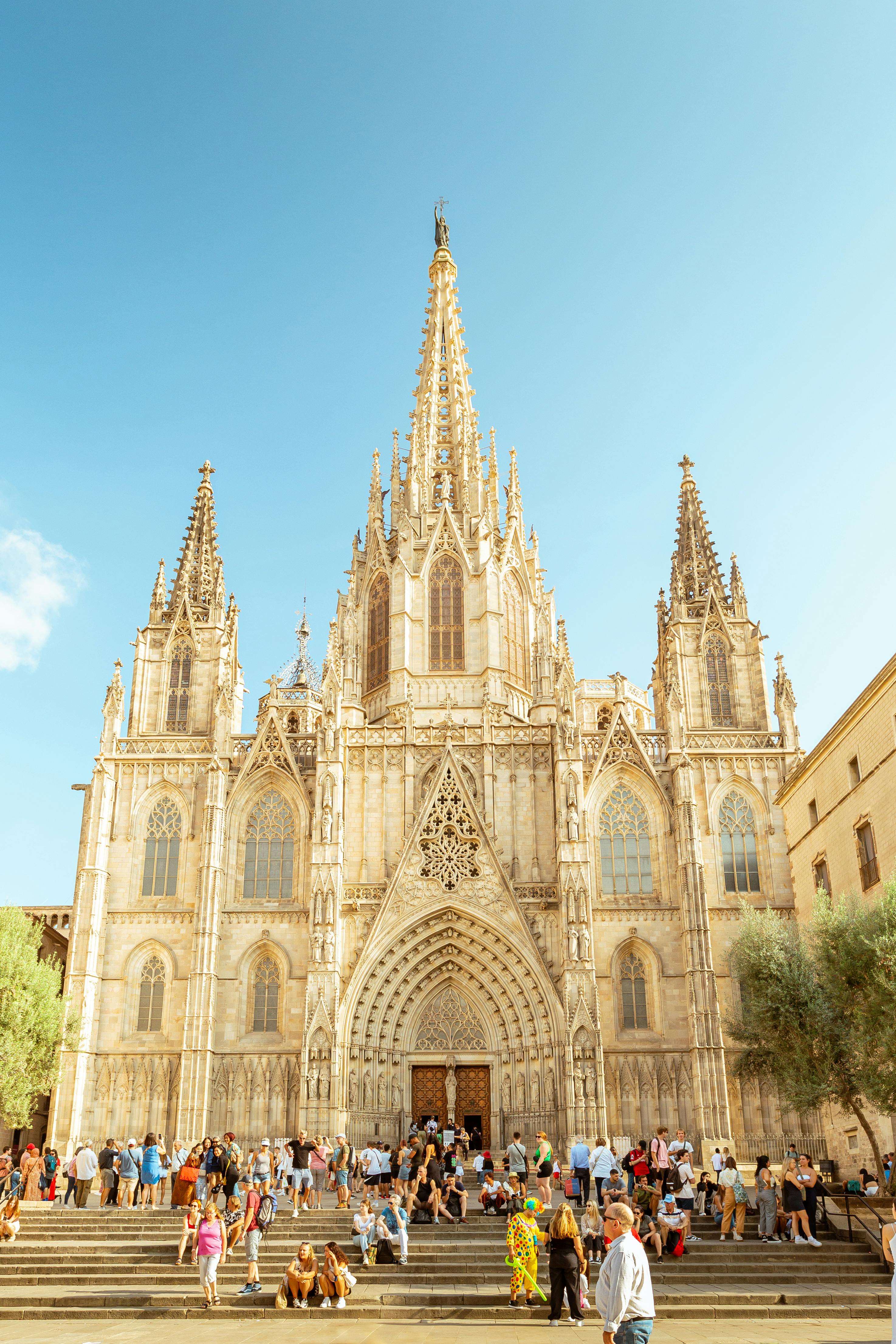
This Barcelona Travel Guide is designed to help you experience the city in a way that feels balanced, immersive, and genuinely enjoyable — not rushed or overwhelming. Barcelona is one of Europe’s most dynamic cities, blending world-class architecture, beachside living, and a food scene that’s woven into everyday life rather than saved for special occasions.
At first glance, Barcelona can feel like a lot. There’s Gaudí architecture at every turn, neighbourhoods that each have their own rhythm, and an endless list of things competing for your time. Without a bit of structure, it’s easy to skim the surface rather than really connect with the city.
This guide focuses on the experiences that helped Barcelona make sense for us — particularly the best tours in Barcelona, which add valuable context to the city’s history, architecture, and culture, and a carefully chosen selection of Barcelona day trips that show just how much there is to explore beyond the city limits. Food also plays a central role here, with a strong emphasis on what to eat in Barcelona and how the city’s dining culture shapes daily life.
Rather than trying to see everything, this guide is about choosing the right experiences. With a mix of guided tours, standout food spots, and time to wander on your own, Barcelona becomes not just impressive, but deeply rewarding — a city that stays with you long after you leave.
Table Of Contents

Things to Do in Barcelona: First Impressions & Getting Oriented
Barcelona makes an immediate impact. It’s energetic, colourful, and full of contrast — a city where medieval streets sit alongside bold modernist architecture, and long lunches blend seamlessly into late nights. One of the first things you notice in Barcelona is how strongly each neighbourhood defines the experience.
Getting oriented is best done on foot. The Gothic Quarter feels dense and atmospheric, with narrow alleys, hidden squares, and centuries of history layered into every corner. Just next door, El Born feels more open and creative, full of independent shops, bars, and restaurants that spill into the streets. Move further out and you hit Eixample, with its wide boulevards and grid layout — home to much of Barcelona’s famous architecture and a completely different pace of life.
This variety is what makes Barcelona exciting, but it can also feel disjointed at first. Sights aren’t concentrated in one small area, and moving between neighbourhoods without understanding how they connect can quickly become tiring. That’s why the first couple of days are best spent simply getting a feel for the city: walking, sitting in cafés, and paying attention to how locals use each area.
Food plays a big role in this early orientation. Markets, bakeries, tapas bars, and casual lunch spots are everywhere, and meals are rarely rushed. Eating late, sharing dishes, and lingering over drinks are all part of daily life — and noticing this rhythm early on helps Barcelona feel less like a checklist and more like a lived-in city.
Once you’ve walked a few neighbourhoods and started to understand how Barcelona flows, everything else becomes easier. Tours, food experiences, and day trips add far more value when you already have a sense of place — turning impressive sights into experiences that actually mean something.
Best Tours in Barcelona: The Experiences Worth Booking
Barcelona is a city where context makes all the difference. Architecture here isn’t just something you look at — it’s something you need explained to fully appreciate. The same goes for food, where knowing what you’re eating and why it matters elevates the experience completely. These tours were the ones that genuinely added value to our time in Barcelona, saving time, avoiding queues, and turning iconic sights into meaningful experiences.


Sagrada Família: Priority Access Guided Tour
No matter how many photos you’ve seen, nothing prepares you for the scale and detail of Sagrada Família. Booking a priority-access guided tour is, in our opinion, the only sensible way to visit. The queues here can be overwhelming, and going in without context means missing much of what makes this place extraordinary.
The guided tour explains Gaudí’s vision in a way that completely changes how you see the building — from the symbolic facades to the light-filled interior shaped like a stone forest. Walking inside as sunlight pours through the stained glass is genuinely unforgettable, and having someone explain the meaning behind it all makes the experience far more powerful than wandering through alone.
If you’re booking just one tour in Barcelona, this should be it.
👉 View the Sagrada Família priority access guided tour

Park Güell: Guided Tour with Fast-Track Entry
Park Güell is one of Barcelona’s most popular attractions — and for good reason. The sweeping views, colourful mosaics, and playful design feel like stepping into Gaudí’s imagination. But it’s also heavily regulated and ticketed, making fast-track entry a huge advantage.
A guided tour helps you understand the park’s original purpose, Gaudí’s design choices, and the symbolism woven into its architecture. Instead of just taking photos and moving on, you leave with a deeper appreciation of how Park Güell fits into Barcelona’s wider story.
This tour works especially well if you want a balance between structured insight and free time to explore afterward.
👉 Explore the Park Güell guided tour with fast-track entry

Casa Batlló: 10D Experience
Casa Batlló is one of Gaudí’s most imaginative works, and the 10D Experience takes it beyond a standard house visit. Instead of reading plaques or following a traditional tour route, this experience uses immersive audio and visual storytelling to bring the building to life.
As you move through the house, the technology explains Gaudí’s inspiration, design philosophy, and attention to detail — from flowing staircases to ocean-inspired shapes. It feels modern, engaging, and surprisingly emotional in places.
This is a great option if you want something more interactive and less traditional, especially if you’ve already done a guided tour elsewhere.
👉 Discover the Casa Batlló 10D Experience

Barcelona Food Tasting Tour: Tapas, Wine & Vermouth
Barcelona’s food scene can be intimidating at first — there’s so much choice, and not all of it is authentic. A guided food tasting tour cuts through the noise and introduces you to the city’s flavours the right way.
This tour focuses on classic tapas, local wine, and vermouth, taking you through neighbourhood bars you’re unlikely to stumble upon alone. Along the way, you learn how locals eat, why certain dishes are staples, and how food fits into everyday Barcelona life.
It’s social, relaxed, and a great way to eat well while also learning something — especially early in your trip, when you’re still finding your feet.
👉 Join the Barcelona tapas, wine & vermouth tasting tour
Why these tours work so well together
Together, these experiences cover Barcelona’s two defining pillars: architecture and food. The Gaudí-focused tours give you the context needed to appreciate the city’s most famous sights, while the food tour connects you to local culture in a way sightseeing alone never can.
You don’t need to book everything, but choosing one or two of these tours will significantly deepen your understanding of Barcelona — and make the rest of your trip far more rewarding.
Best Barcelona Day Trips (Beyond the City)
Barcelona is packed with things to do, but some of the most memorable experiences sit just outside the city. One of the biggest advantages of staying in Barcelona is how easy it is to reach mountains, coastline, and historic towns in half a day or less. These day trips add contrast to the city and give you a much deeper sense of Catalonia as a whole.
If you only choose one, Montserrat should be at the top of your list — but the other options below are excellent if you have more time.


Montserrat Half-Day Tour with Liquor Tasting (Top Recommendation)
Montserrat is one of the most unique landscapes in Spain, and visiting it feels like stepping into a completely different world from Barcelona’s busy streets. The jagged mountain range rises dramatically from the countryside, with the Montserrat Monastery built high into the rock.
This half-day guided tour is an ideal way to experience Montserrat without the hassle of organising transport yourself. The journey out of the city is smooth, and having a guide adds valuable context about the monastery’s religious and cultural significance — especially the story of the Black Madonna, which is central to Catalan identity.
What makes this tour particularly appealing is the balance. You get enough guided insight to understand where you are and why it matters, followed by free time to explore on your own. That might mean walking scenic trails, visiting viewpoints, or simply taking in the atmosphere around the monastery.
The tour also includes a local liquor tasting, giving you a small but memorable insight into regional traditions. It’s a nice addition that rounds out the experience without feeling gimmicky.
For us, Montserrat offered the perfect counterpoint to Barcelona: quieter, more reflective, and visually striking. If you’re choosing just one day trip from the city, this is the one that delivers the biggest payoff for the least effort.
👉 View the Montserrat half-day tour with liquor tasting
If you are interested in reading more on Montserrat check out Best Montserrat Tour From Barcelona.

Costa Brava Day Trip from Barcelona
If you’re craving fresh air and coastal scenery, a day trip to the Costa Brava is an excellent option. This tour takes you away from the city and into a completely different side of Catalonia, known for its rugged cliffs, clear water, and charming seaside towns.
The route typically includes time in small coastal villages where you can wander, swim (season permitting), or enjoy a relaxed lunch by the sea. It’s a slower-paced experience compared to sightseeing-heavy city days and works particularly well if you want a break from architecture and museums.
👉 Explore the Costa Brava day trip from Barcelona

Girona, Figueres & Dalí Museum with Cadaqués
For something more cultural and varied, this full-day tour combines historic towns with surrealist art. You’ll visit Girona, known for its medieval streets and city walls, followed by Dalí Theatre-Museum, one of the most unusual museums in Europe.
The day usually finishes in Cadaqués, a beautiful seaside town with strong artistic ties and a relaxed, Mediterranean feel. It’s a long day, but one that packs in a huge amount of variety.
This tour is best if you want to see multiple sides of Catalonia in one go and don’t mind a fuller itinerary.
👉 View the Girona, Figueres & Dalí Museum day tour
Which Barcelona day trip should you choose?
- Short on time? Montserrat is the clear winner
- Want nature and sea air? Costa Brava
- Interested in art and history? Girona & Dalí Museum
All three offer something completely different from Barcelona itself, but Montserrat stands out as the most accessible, distinctive, and rewarding option for most travellers.

Barcelona Food Guide: What Makes the City Special
Food in Barcelona isn’t something you plan around rigidly — it’s something that naturally shapes your day. Meals are social, unhurried, and deeply tied to neighbourhood life, whether that’s a quick bite at a market stall or a long evening shared over plates of tapas and wine.
One of the first things visitors notice is how late everything happens. Lunch often stretches into mid-afternoon, and dinner rarely starts before 9pm. This rhythm isn’t about indulgence — it’s about slowing down and enjoying the moment, which quickly becomes part of the appeal.
Barcelona’s food scene also works because of its balance between tradition and creativity. Classic Catalan dishes sit comfortably alongside modern interpretations, and you’ll find everything from family-run taverns to inventive small-plate restaurants within a few streets of each other. Markets like La Boqueria and local neighbourhood markets aren’t just tourist stops — they’re part of everyday life, supplying fresh seafood, produce, and cured meats that define the city’s flavours.
Tapas culture here feels purposeful rather than performative. Dishes are designed to be shared, encouraging variety and conversation rather than oversized portions. Vermouth plays a surprisingly big role too, especially in the early evening, when locals gather for a drink and a small bite before dinner.
What really sets Barcelona apart is how accessible good food feels. You don’t need reservations weeks in advance or a huge budget to eat well. Some of the most memorable meals come from casual spots discovered while wandering, guided by atmosphere as much as menus.
Understanding this food culture early on makes the city far more enjoyable. Once you stop trying to force meals into your schedule and instead let them anchor your day, Barcelona starts to feel less like a destination and more like a place you’re temporarily living in.


What to Eat in Barcelona: Our Personal Picks
Barcelona is a city where eating well comes from knowing where to go rather than chasing trends. These are the places we ate at and would happily return to — casual, characterful spots that reflect how locals actually eat in Barcelona.
Can Paixano
A Barcelona institution and one of the liveliest places to eat and drink in the city. Known for its cava poured generously and fast, this is the kind of spot where you stand, eat, drink, and move with the crowd.
Order: Chorizo, morcilla, sausage sandwiches — and don’t skip the cheesecake.
Perfect for a quick, high-energy stop before or after exploring El Born.
La Plata
La Plata keeps things beautifully simple, with a tiny menu and a big reputation. It’s one of the most traditional tapas bars in the Gothic Quarter and feels refreshingly unchanged by time.
Order: Whitebait and a glass of the house vermouth.
Short menu, strong flavours, and a true local feel.
La Cova Fumada
Tucked away in Barceloneta, La Cova Fumada is a no-frills, deeply traditional spot that’s all about honest cooking. It’s famously associated with the creation of the bomba, but the wider menu deserves attention too.
Order: Dover sole, chorizo, and garlic bread.
Expect simple surroundings and seriously good food.
Bar Joan
Located inside Mercat de Santa Caterina, Bar Joan is ideal for a casual market lunch. Sitting at the counter while the kitchen works around you is part of the charm.
Order: Cod croquettes, tortilla, and patatas bravas.
Reliable, affordable, and perfect for breaking up a day of sightseeing.
La Granota
La Granota specialises in one thing — tortilla — and does it exceptionally well. This is a small, unfussy neighbourhood bar where locals stop for a quick, satisfying bite.
Order: The tortilla (simple, creamy, and perfectly cooked).
Proof that Barcelona’s best food is often the simplest.
Guell Tapas Restaurant
A solid option if you’re looking for a sit-down tapas meal in the city centre. The menu is broad, portions are generous, and it works well for sharing.
Order: Paella, garlic aioli patatas, and pimientos de padrón.
A good balance between comfort food and classic Spanish flavours.
Oaxaca
Oaxaca offers something a little different, blending Mexican flavours with high-quality Iberian ingredients. It’s more refined than casual tapas bars but still relaxed and welcoming.
Order: Guacamole, Iberian-breed cochinita pibil, and Cal Rovira organic chicken with black mole.
An excellent option if you want a break from traditional Spanish cuisine without sacrificing quality.
A quick food tip
Don’t overplan meals in Barcelona. Some of the best eating happens when you follow atmosphere rather than reviews. If a place is busy with locals, it’s usually a good sign.
If you want to read more about the food scene check out Where to Eat in Barcelona.
Where to Stay in Barcelona: Hotel Balmes
For our stay in Barcelona, we chose Hotel Balmes, a centrally located 4-star hotel that worked well as a practical base for exploring the city.
Hotel Balmes is set in Eixample, which made getting around Barcelona easy. From here, you’re well connected to major sights, neighbourhoods, and transport links, without being right in the middle of the busiest tourist areas. That balance made it a comfortable place to return to after full days of sightseeing and eating.
The hotel itself was very clean, and the staff were consistently helpful throughout our stay. Rooms are on the smaller side, but that’s fairly typical for a city break in Barcelona and didn’t cause us any issues. We spent most of our time out exploring, and the room served exactly the purpose we needed it to — somewhere comfortable and quiet to recharge.
One tip we’d strongly recommend: skip the hotel breakfast. Barcelona has an outstanding food scene, and it’s worth making every meal count by eating out at bakeries, cafés, and local spots rather than opting for a generic hotel breakfast.
If you’re looking for a well-located, reliable hotel that prioritises cleanliness and convenience over unnecessary extras, Hotel Balmes is a solid choice.
👉 Check availability and current prices at Hotel Balmes

Getting Around Barcelona: Transport Tips
Getting around Barcelona is generally straightforward, with a good mix of taxis and public transport depending on how you prefer to travel.
The most commonly used taxi app is Free Now, but prices are very similar to standard metered taxis. You’ll often find it just as easy to hail a cab on the street — if the green light is on, the taxi is available. Taxis are plentiful across the city and are especially convenient late at night or when you don’t feel like navigating busy metro stations.
Barcelona’s public transport is efficient and affordable. An almost 24-hour metro and transport pass costs just over €10 per person and covers most of the city. It’s a good option if you’re moving between neighbourhoods frequently, but be prepared for a fair amount of walking — some station changes and transfers can be surprisingly long.
In practice, a mix of walking, metro, and taxis worked best for us. Barcelona is a very walkable city, and often it’s easier to walk between nearby areas and save transport for longer distances or late evenings.
Final Thoughts: How to Experience Barcelona Properly
Barcelona is a city that rewards balance. It’s bold, busy, and full of headline attractions, but the real magic happens when you combine structure with spontaneity. A few well-chosen tours help you understand the city’s architecture, history, and culture, while leaving plenty of time to eat slowly, wander neighbourhoods, and follow your instincts.
What stood out most during our time in Barcelona was how naturally food, culture, and daily life blend together. You might spend the morning inside Gaudí’s most famous works, the afternoon sharing tapas in a market, and the evening lingering over vermouth or wine without ever feeling rushed. That rhythm is what makes Barcelona feel alive rather than overwhelming.
If you approach the city with curiosity rather than a checklist — mixing guided experiences with long meals and unplanned walks — Barcelona becomes far more than a collection of famous sights. It becomes a place you genuinely connect with, and one that’s easy to imagine returning to.
Barcelona Travel Guide: Frequently Asked Questions
Is Barcelona worth visiting?
Absolutely. Barcelona offers a rare combination of architecture, food, culture, and energy. Whether you’re interested in history, design, or simply eating well, the city delivers on multiple levels.
How many days do you need in Barcelona?
3 to 5 days is ideal. This gives you time to explore different neighbourhoods, join a couple of guided tours, enjoy the food scene properly, and take at least one day trip outside the city.
Are tours in Barcelona worth it?
Yes. Tours add real value in Barcelona, particularly for Gaudí sites and food experiences. Priority-access and guided visits save time, avoid queues, and provide context that’s easy to miss when exploring alone.
What is the best day trip from Barcelona?
Montserrat is the most popular and most rewarding day trip. Its dramatic mountain scenery, monastery, and peaceful atmosphere offer a perfect contrast to the city and are easy to visit on a half-day tour.
Where is the best area to stay in Barcelona?
Eixample is a great choice for first-time visitors. It’s central, well connected, and slightly calmer than the Gothic Quarter, making it a practical and comfortable base.
Is Barcelona easy to get around?
Yes. Barcelona is very walkable, supported by an efficient metro system and plenty of taxis. Many neighbourhoods are close enough to explore on foot, especially if you stay centrally.
Is Barcelona expensive?
Barcelona can be as affordable or as expensive as you make it. Food is excellent value if you avoid tourist traps, and public transport is reasonably priced. Tours and attractions vary, but many offer good value for the experience provided.