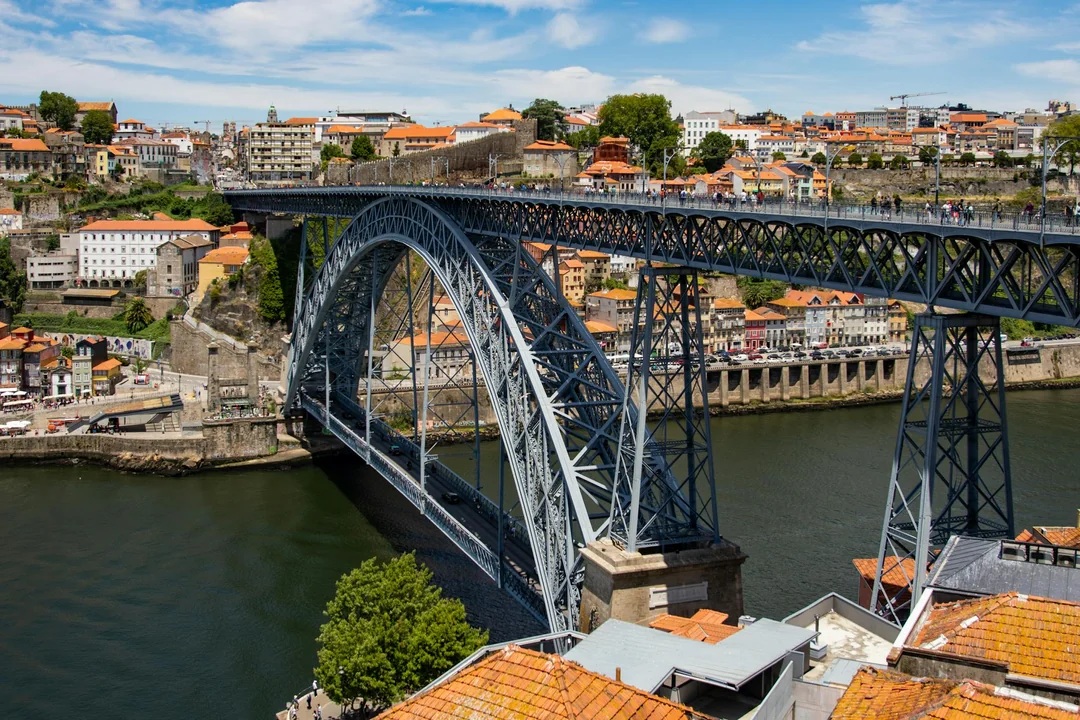
This Porto Travel Guide is designed to help you experience the city beyond its postcard views — not just see Porto, but understand how it works, how it feels, and why it leaves such a strong impression. Porto is more compact and slower-paced than Lisbon, but it has a depth that becomes clearer the more time you spend walking its streets, crossing the river, and sitting down for long meals.
At first glance, Porto feels straightforward. The historic centre is walkable, the river anchors everything, and many of the main sights seem close together. But Porto is layered — shaped by trade, wine, religion, and resilience — and much of that story isn’t obvious without context.
This guide focuses on the things to do in Porto that genuinely added value to our trip, with an emphasis on the best tours in Porto for understanding the city’s history, wine culture, and geography. It also highlights the most rewarding Porto day trips, which show how closely the city is tied to the Douro Valley and northern Portugal. If you approach Porto slowly, choose a few meaningful experiences, and leave space to wander, it becomes one of the most atmospheric city breaks in Europe.
Table Of Contents

Things to Do in Porto: First Impressions & Getting Oriented
Porto makes an immediate impression. It’s often described as Lisbon’s cooler, more laid-back sibling — and that comparison feels accurate the moment you arrive. The city has a deep sense of soul, shaped by history, trade, and a long-standing relationship with port wine and the Douro River. It’s charming without trying too hard, and slightly gritty in a way that only adds to its appeal.
The best way to get oriented in Porto is on foot. The city is a maze of narrow, winding streets that constantly open up to unexpected viewpoints over the river. One moment you’re walking past azulejo-covered churches and historic bookshops, the next you’re looking out across the Douro with the Dom Luís I Bridge stretching across the skyline like something from a painting.
Porto’s historic centre feels compact and easy to navigate, especially compared to larger European cities. Ribeira sits at the heart of it all, buzzing with energy along the waterfront, while just across the river, Vila Nova de Gaia is closely tied to Porto’s wine heritage. Crossing between the two early on helps the city’s layout click quickly.
Food plays a big role in getting to know Porto. Fresh seafood is everywhere, and the famous Francesinha — a rich, indulgent sandwich that’s very much a Porto speciality — is something you’ll see on menus throughout the city. Meals here are unhurried, often stretching into long evenings by the river, which suits Porto’s slower pace perfectly.
What stands out most is how effortlessly atmospheric Porto feels. It’s not polished in a glossy way, but that’s exactly what makes it memorable. The city invites you to wander, linger, and explore without a strict plan. Once you’ve spent a bit of time walking its streets and understanding how the river shapes everything, Porto becomes incredibly easy to enjoy — and very hard to leave.
Best Tours in Porto: The Experiences That Added Real Value
Porto is easy to enjoy on your own, but a couple of well-chosen tours can add clarity and depth — especially early in your stay. These were the experiences that helped the city click for us, combining orientation, history, and Porto’s defining wine culture without feeling rushed or overly touristy.

Porto Walking Tour, Lello Bookshop, River Cruise & Cable Car
This is an excellent all-round introduction to Porto if you want to see a lot in a short time without bouncing between separate bookings. The experience starts with a guided walking tour through Porto’s historic centre, which helps put the city’s layout, architecture, and history into context — something that’s especially useful on your first couple of days.
A highlight is the visit to Livraria Lello (one of the world’s most famous bookshops). Even if you’ve seen photos before, understanding why it matters — and how it fits into Porto’s cultural identity — adds to the experience. The tour then shifts perspective with a classic Douro River cruise, passing beneath Porto’s iconic bridges and giving you a clear sense of how the river shapes the city.
The final element is the cable car ride in Vila Nova de Gaia, which offers sweeping views back across the river to Porto’s historic skyline. It’s a simple addition, but one that ties the day together visually and makes the city’s geography finally make sense.
What we liked most about this tour is how balanced it feels. You walk enough to feel connected to the city, but the river cruise and cable car break things up nicely. If you want a broad, well-paced overview of Porto with minimal planning, this tour does exactly that.
👉 View the Porto walking tour, river cruise & cable car experience
Cockburn’s Port Wine Cellars: Premium Tasting & Pairing
You can’t visit Porto without engaging with port wine, and doing it properly makes a big difference. The premium tasting at Cockburn’s Port in Vila Nova de Gaia stood out for its quality and depth.
The experience begins with a guided tour of the cellars, where you learn how port is produced, aged, and blended — with a focus on Cockburn’s history and traditional methods. It’s informative without being overwhelming, and the setting itself feels authentic rather than staged.
The premium tasting is where this experience really elevates itself. Instead of a basic sample, the tasting includes a curated selection of ports paired thoughtfully with complementary foods, helping you understand how flavours interact and why certain styles of port work better in different contexts. It’s relaxed, unpretentious, and genuinely educational.
For us, this was the moment Porto’s wine culture truly came into focus. If you’re only going to visit one cellar, this is a strong choice — especially if you want more than just a quick drink and photo.
👉 Explore the Cockburn’s cellar premium tasting & pairing
Why these tours work so well in Porto
Together, these experiences cover Porto from multiple angles: history, geography, and wine. The walking tour and river cruise help you understand the city’s layout and character, while the cellar visit explains the product that has shaped Porto’s identity for centuries.
You don’t need to book everything, but choosing one or two tours like these adds structure early on — and makes the rest of your time in Porto far more rewarding.
Best Porto Day Trip (Beyond the City): Douro Valley Wine Tour
If you take just one day trip from Porto, make it the Douro Valley. This was one of the most rewarding experiences of our trip and the moment Porto’s wine culture truly clicked. The shift from the city to terraced vineyards and river views feels dramatic — and immediate.
We chose a guided tour rather than trying to piece it together ourselves, and it made the day effortless. Transport, timing, tastings, and lunch are all handled for you, which matters in a region where distances, winding roads, and logistics can quickly eat into your time.

From Porto: Douro Valley with Boat Cruise, Wine Tastings & Lunch
The day begins with a comfortable drive out of Porto, gradually trading city streets for rolling hills and vineyard-covered slopes. The scenery alone sets the tone — this is one of Europe’s oldest wine regions, and it shows in the layered terraces carved into the hillsides along the Douro River.
A highlight of the day is the Douro River boat cruise, which gives you a completely different perspective on the valley. Gliding along the river, surrounded by steep vineyards and quiet villages, is a calm, almost meditative contrast to Porto’s energy. It’s also the best way to appreciate how central the river is to the region’s history and wine production.
The tour includes visits to local wineries for guided tastings, where you learn how Douro wines and port are produced and what makes this region unique. The tastings feel relaxed and informative rather than rushed, and the setting — often overlooking the valley — adds to the experience rather than distracting from it.
Lunch is another standout. Instead of a quick stop, it’s a proper sit-down meal featuring regional dishes paired with local wines. It’s unhurried, generous, and gives you time to enjoy the surroundings without feeling like you’re constantly moving on.
Throughout the day, the guide adds context that brings everything together — from the history of the valley to how wine production has shaped life here for generations. It turns what could be a scenic drive into a deeper understanding of northern Portugal.
Why this tour is worth it
The Douro Valley is stunning, but it’s not the easiest place to explore independently in a single day. This tour removes the stress while still delivering a full, varied experience: scenery, river time, wine, food, and insight — all without feeling overpacked.
For us, this was the perfect counterbalance to Porto itself. Where the city is compact and atmospheric, the Douro Valley feels expansive and slow, and seeing both sides of the region adds real depth to a Porto visit.
If you’re choosing just one excursion beyond the city, this is the day trip that delivers the biggest payoff.
👉 Book the Douro Valley wine tour with boat cruise & lunch

Best Eateries for a Francesinha in Porto
If there’s one dish you have to try in Porto, it’s the Francesinha. This iconic Porto sandwich is unapologetically indulgent — layers of cured meats and steak inside bread, covered with melted cheese and drowned in a rich, beer-based sauce. It’s usually served with fries and often topped with a fried egg, just to push it over the edge.
It’s not light, it’s not subtle, and it’s very much a Porto creation. Every local has a strong opinion on where to find the best one, and trying at least one Francesinha is almost a rite of passage when visiting the city.
These were our favourite places to eat it.
Café Santiago
Café Santiago is one of the most well-known Francesinha spots in Porto, and for good reason. This is a no-nonsense place where the focus is entirely on getting the sandwich right. The sauce is rich and balanced, the portion is generous, and the atmosphere feels authentically local.
It’s busy, especially at peak times, but the turnover is quick and the quality is consistent. If you’re trying a Francesinha for the first time, this is a reliable place to start.
Brasão Aliados
Brasão Aliados offers a slightly more polished take on the Francesinha without losing what makes it great. The setting is more comfortable than traditional taverns, and the sauce has a depth of flavour that really stands out.
This is a good option if you want a sit-down meal with a bit more atmosphere, or if you’re travelling with someone who wants a more relaxed dining experience while still trying Porto’s most famous dish.
Yuko Tavern
Yuko Tavern is often mentioned by locals when discussing the best Francesinha in Porto, and it lives up to the reputation. The sandwich here is bold, rich, and unapologetic, with a sauce that leans deep and intense.
It’s slightly further out from the main tourist areas, but that only adds to the experience. If you’re willing to make the effort, Yuko feels like eating where people who really care about Francesinha go.
A quick tip before you order
Francesinhas are filling — very filling. Come hungry, don’t plan a big meal afterward, and accept that this is a dish you enjoy slowly. One is more than enough.

Pastel de Nata Workshop in Porto (Hands-On Experience)
If you’re looking for something a little different to do in Porto, the Pastel de Nata Workshop is a fantastic hands-on experience — and one of the most enjoyable food-related activities we did in the city. It’s a chance to go beyond simply eating Portugal’s most famous pastry and actually learn how it’s made.
The workshop is relaxed, welcoming, and suitable for all skill levels. You’re guided step by step through the process of creating the perfect pastel de nata — from the crisp, flaky pastry to the rich, creamy custard filling — all in a friendly, informal setting. There’s no pressure, no rushed pace, and plenty of opportunity to ask questions along the way.
One of the things we liked most was the atmosphere. It feels social rather than instructional, with a drink in hand and a genuinely enjoyable vibe throughout. Of course, there’s also plenty of tasting involved, which only adds to the experience.
By the end, you leave with new baking skills, a deeper appreciation for what goes into a good pastel de nata, and a far better understanding of why this pastry is such a big part of Portuguese culture. For the price, it’s excellent value and a great way to spend a couple of hours — whether you’re a foodie or just want to do something memorable that isn’t sightseeing-heavy.
👉 View the Pastel de Nata workshop in Porto

Where to Eat in Porto: Our Personal Picks
Porto is a city that eats well without trying too hard. Some of the best meals come from small, unfussy places where the focus is on flavour, freshness, and tradition rather than presentation. These are the spots that stood out most during our time in Porto — a mix of casual favourites, local institutions, and a couple of seafood stops worth travelling for.
Tapabento S.Bento
Tucked beside São Bento Station, Tapabento is one of those places that consistently delivers. The menu focuses on well-executed Portuguese dishes with a slightly modern touch, and the quality across the board is excellent.
It’s popular for a reason, so booking ahead is a good idea, but it’s worth the effort. This is a great option if you want a reliable, high-quality meal right in the heart of the city.
Maria Rita
Maria Rita feels like a proper local restaurant — relaxed, welcoming, and focused on traditional Portuguese cooking done well. Portions are generous, prices are fair, and the atmosphere is unpretentious.
It’s the kind of place you’d happily return to more than once, especially if you want to experience Porto’s food scene away from the busiest tourist streets.
Gazela
Gazela is famous for one thing: its legendary hot dogs. Simple, fast, and incredibly satisfying, this spot has become a Porto institution.
It’s not a sit-down, lingering kind of place — you come here for a quick bite, enjoy it, and move on. Perfect as a snack between sightseeing or after a few drinks.
Seafood in Matosinhos (Worth the Trip)
If you’re craving seafood, it’s worth heading out to Matosinhos, where some of the best fish restaurants in the region are located.
Tito 2
A lively, no-frills seafood restaurant where the focus is on freshness and flavour. Expect grilled fish, simple sides, and a busy local atmosphere.
Dom Peixe
Another excellent option nearby, Dom Peixe offers a slightly more relaxed experience while maintaining high-quality seafood. If you’re only doing one seafood meal near Porto, Matosinhos is the place to do it.
Terreiro
Terreiro offers a more refined dining experience without feeling stiff or overly formal. The setting is elegant, the food is thoughtfully prepared, and it’s a great choice if you’re looking for a slightly more polished evening meal.
It works well for a slower night or a special occasion while still feeling grounded in Porto’s food culture.
A quick note on eating in Porto
Some of Porto’s best restaurants are small and fill up quickly. A short wait is often a good sign, and travelling a little outside the historic centre — especially for seafood — is almost always rewarded.

Fado Houses in Porto
Fado houses in Porto offer an intimate and deeply emotional glimpse into Portugal’s soul. Unlike the more theatrical performances you’ll often find in Lisbon, Porto’s fado scene feels raw, understated, and personal — usually set in small, candlelit venues where the music takes complete control of the room.
These evenings typically combine live fado with traditional Portuguese food and wine, creating an atmosphere that feels immersive rather than staged. When the singing begins, conversations stop, the lights dim, and the focus shifts entirely to the emotion in the voice and the sound of the Portuguese guitar. Even without understanding the lyrics, the feeling comes through clearly.
Experiencing fado in Porto feels quieter and more introspective, and it’s one of the most authentic cultural experiences you can have in the city. These are the two houses we visited and would confidently recommend:
Ideal Clube de Fado
Ideal Clube de Fado offers a classic, intimate fado experience in a relaxed setting. The venue is small and atmospheric, which makes the performances feel close and emotionally charged. It’s an excellent choice if you want to focus primarily on the music while still enjoying traditional Portuguese dishes alongside it.
Casa da Mariquinhas
Casa da Mariquinhas is one of Porto’s most well-known fado houses, and it strikes a great balance between authenticity and accessibility. The setting is warm and welcoming, the food is solid, and the performances feel heartfelt rather than rehearsed. It’s a particularly good option for first-time fado listeners who want a memorable introduction to the genre.
A quick tip before you go
Fado houses are small, and performances rely on a quiet, respectful atmosphere. Arrive early, expect moments of silence during songs, and go with an open mind — it’s an experience best felt rather than analysed.

Where to Stay in Porto: Where We Stayed & Why We’d Recommend It
For our stay in Porto, we chose the InterContinental Porto – Palácio das Cardosas, and it turned out to be an excellent base for exploring the city.
The hotel is located right on Praça da Liberdade, one of Porto’s most central and convenient squares. From here, you can walk easily to São Bento Station, Ribeira, the Dom Luís I Bridge, and many of the city’s main restaurants and viewpoints. That central location made a huge difference — especially after long days of walking — as everything felt close and easy to reach.
The building itself is a restored 18th-century palace, which gives the hotel a sense of character without feeling dated. Inside, the rooms are spacious, quiet, and very comfortable, offering a calm place to reset after exploring Porto’s busy streets. Service was consistently professional and attentive, and the overall atmosphere felt polished without being stiff.
What we appreciated most was how well it balanced luxury with practicality. We didn’t spend a huge amount of time in the hotel, but when we were there, it felt like a genuinely relaxing place to return to — exactly what you want from a city base. It also worked particularly well for early starts and tour pickups, thanks to its central position.
If you’re looking for a hotel that combines location, comfort, and a sense of occasion — without sacrificing convenience — this is a strong choice in Porto.
👉 Check availability and current prices at the InterContinental Porto – Palácio das Cardosas
Final Thoughts: How to Experience Porto Properly
Porto is a city that doesn’t ask to be rushed. Its charm lies in slowing down — walking its streets without a strict plan, sitting by the river longer than intended, and letting food, wine, and atmosphere guide your days rather than a checklist of sights.
What makes Porto special is how naturally everything fits together. The historic centre, the Douro River, the wine cellars across the water, and even the day trip into the Douro Valley all feel connected. Choosing a few well-planned experiences — like a walking tour, a cellar visit, or a day trip — adds context and depth, but the city really shines in the spaces between those moments.
Compared to larger capitals, Porto feels more intimate and grounded. Meals are unhurried, evenings are atmospheric, and even popular spots retain a sense of authenticity. Whether it’s listening to fado in a candlelit room, sharing a Francesinha, or watching the light change over the river, Porto leaves an impression that’s subtle but lasting.
If you approach the city with curiosity and patience, Porto rewards you with experiences that feel genuine rather than staged — the kind that stay with you long after you’ve left.
Porto Travel Guide: Frequently Asked Questions
Is Porto worth visiting?
Yes. Porto offers a rich mix of history, food, wine, and atmosphere without feeling overwhelming. It’s more compact and slower-paced than many European cities, which makes it especially enjoyable if you like walking, long meals, and discovering places gradually.
How many days do you need in Porto?
2 to 4 days is ideal. Two days is enough to explore the historic centre and riverfront, while three to four days allows time for wine cellars, food experiences, and a day trip to the Douro Valley.
Are tours in Porto worth it?
Yes. While Porto is easy to explore independently, guided tours add valuable context — especially for understanding the city’s history and wine culture. A walking tour, cellar visit, or Douro Valley day trip can significantly enhance your experience.
What is the best day trip from Porto?
The Douro Valley is the standout day trip. Its terraced vineyards, river views, wine tastings, and relaxed pace offer a perfect contrast to the city and provide insight into one of Portugal’s most important regions.
Where is the best area to stay in Porto?
The historic centre near Praça da Liberdade, São Bento, and Ribeira works best for first-time visitors. Staying centrally makes it easy to explore on foot and return to your hotel without relying heavily on transport.
Is Porto walkable?
Yes, Porto is very walkable, though it can be hilly in places. Comfortable shoes are essential, but most main sights are within reasonable walking distance, especially if you stay centrally.
Is Porto expensive?
Porto is generally good value compared to other Western European cities. Food, wine, and accommodation are reasonably priced, and experiences like tours and tastings often feel good value for what you get.