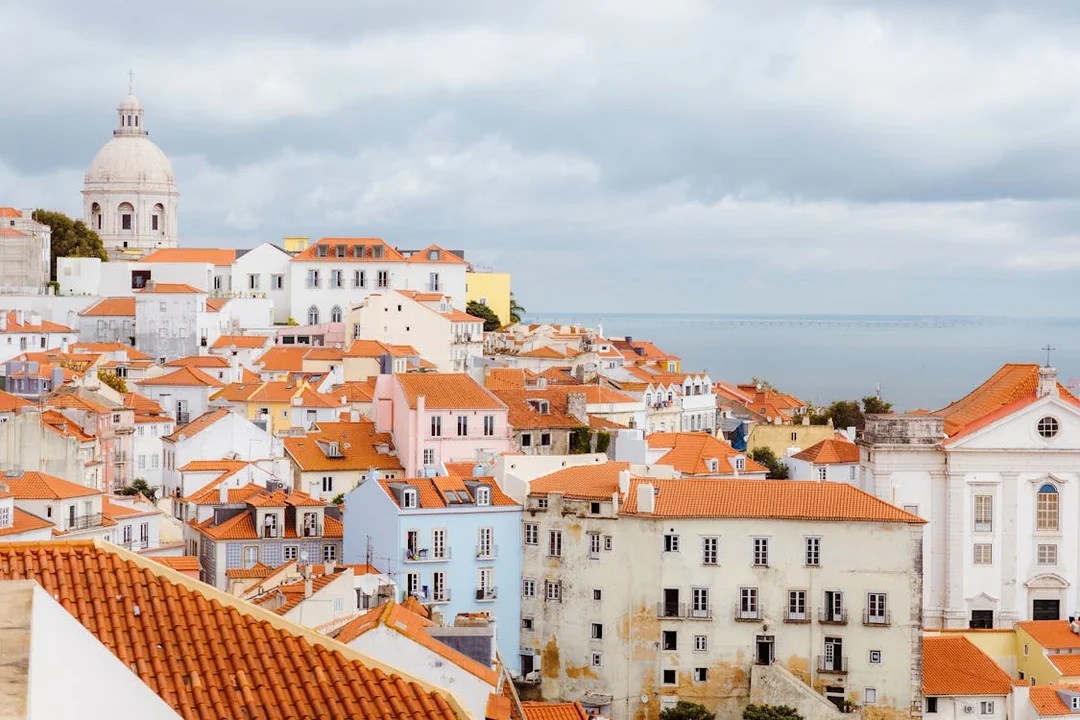
This Lisbon Travel Guide is built around experiencing the city properly — not just seeing the highlights, but understanding why Lisbon feels the way it does once you start walking its hills, neighbourhoods, and viewpoints. Lisbon is one of those cities that grows on you quickly. It’s relaxed without feeling dull, historic without feeling staged, and full of small moments that only really make sense once you’re there.
At first glance, Lisbon can feel deceptively simple. But beneath the pastel buildings, trams, and tiled façades is a layered history shaped by exploration, earthquakes, dictatorship, and reinvention. For first-time visitors, deciding on the things to do in Lisbon can feel overwhelming — not because there’s too much, but because much of what makes the city special benefits from context.
This guide focuses on the experiences that helped Lisbon click for us. Rather than rushing through landmarks, it highlights the best tours in Lisbon for understanding the city’s history, neighbourhoods, and viewpoints, alongside carefully chosen Lisbon day trips that show just how much there is to explore beyond the capital. If you’re willing to slow down slightly and choose the right experiences, Lisbon becomes one of Europe’s most rewarding city breaks.
Table Of Contents

Things to Do in Lisbon: Getting to Know the City
Lisbon is a city that reveals itself gradually. On paper, many of its main sights look close together, but once you arrive, the hills, viewpoints, and neighbourhood shifts quickly change how you experience the city. Wandering aimlessly can be rewarding, but it can also feel disjointed if you don’t yet understand how Lisbon fits together.
One of the first things you notice in Lisbon is how strongly each neighbourhood feels like its own small world. Alfama’s narrow streets and lived-in atmosphere are completely different from the grand squares of Baixa or the nightlife-heavy Bairro Alto. Moving between them isn’t just a change of scenery — it’s a shift in pace, history, and daily life.
This is where choosing the right things to do in Lisbon early on makes a real difference. Experiences that help you understand the city’s layout, history, and viewpoints give you a mental map that makes everything else easier. Once you grasp why certain areas developed the way they did — and how Lisbon’s past still shapes everyday life — the city starts to make sense very quickly.
Lisbon is also a place where context matters. Trams, tiled buildings, viewpoints, and historic sites are everywhere, but without explanation they can blur together. Guided experiences help connect those dots, especially in the first couple of days, and often save time and energy in a city that’s more physically demanding than it first appears.
That doesn’t mean everything needs to be planned. Some of Lisbon’s best moments come from slowing down — sitting at a miradouro with a drink, getting lost in backstreets, or following the sound of music in the evening. The key is balance: using tours to understand the city, then using that understanding to explore confidently on your own.
With that foundation in place, the experiences below — from walking tours to carefully chosen day trips — become far more meaningful, turning Lisbon from a pretty city into one you genuinely connect with.
Best Tours in Lisbon: The Experiences That Made the City Click
Lisbon is a city where context changes everything. Streets, viewpoints, food, and even everyday routines start to make more sense once someone explains how history, geography, and local culture intersect. The tours below were the experiences that helped Lisbon fall into place for us — each one adding a different layer to understanding the city.
Rather than trying to see everything independently, these are the best tours in Lisbon if you want insight, efficiency, and genuinely memorable experiences.

Lisbon Essential Tour: History, Stories & Local Life
If you’re only going to book one tour in Lisbon, this is the best place to start. The Lisbon Essential Tour focuses on the city’s history, daily life, and neighbourhoods, helping you understand how Lisbon evolved and why it feels the way it does today.
Rather than racing through landmarks, the tour connects places like Alfama, Baixa, and surrounding viewpoints with stories that explain Lisbon’s past — from earthquakes and empires to dictatorship and modern reinvention. It’s especially valuable early in your trip, as it gives you a framework that makes everything you see afterward far more meaningful.
This tour also works well because it balances information with atmosphere. You walk enough to feel the city, but not so much that it becomes exhausting — which matters in a hilly city like Lisbon. For first-time visitors, it’s one of the easiest ways to build confidence and avoid feeling lost in the first few days.
👉 View the Lisbon Essential walking tour


Lisbon Food & Wine Tasting Walking Tour
If you love food and wine, this walking tour is an absolute must. It strikes the perfect balance between tasting authentic local specialities and soaking up Lisbon’s atmosphere, making it one of the most enjoyable and memorable ways to experience the city.
The tour begins with a crispy codfish cake, paired with a glass of Vinho Verde — a light, slightly fizzy “green” wine that’s incredibly refreshing. From there, the experience builds naturally, moving on to rich and sweet Port wine alongside local cheeses that feel indulgent without being overwhelming.
One of the highlights is the classic bifana — a garlicky pork sandwich served in a lively tasca, best enjoyed with a cold beer and the buzz of local conversation around you. No Lisbon food experience would be complete without ginjinha, the city’s iconic cherry liqueur, which you taste in one of the oldest bars still serving it — a small but genuinely special moment.
The tour continues with smoky chouriço sausage and fresh bread, paired with a bold red wine, before finishing with a comforting traditional rice dish. Each stop feels intentional, not rushed, and tied closely to Lisbon’s food culture rather than tourist expectations.
What really makes this experience stand out is how seamlessly it blends flavour, history, and local life. You’re not just eating well — you’re learning why these dishes matter and how they fit into everyday Lisbon. If you want to eat like a true Lisboeta and come away with a real understanding of the city’s food culture, this tour delivers from start to finish.
👉 Explore the Lisbon food & wine tasting walking tour

Pastel de Nata Cooking Class (Hands-On Experience)
Pastel de nata might be Lisbon’s most famous export, but understanding why it matters — and how it’s made — adds a completely different layer to the experience. This hands-on cooking class focuses entirely on Portugal’s iconic custard tart, guiding you through the process from start to finish.
Rather than watching from the sidelines, you’re actively involved, learning techniques and tips that explain why a good pastel de nata tastes the way it does. It’s a relaxed, enjoyable experience that works well as a break from sightseeing, especially if you want something interactive rather than another walking route.
This is also one of the most enjoyable cultural experiences in Lisbon for travellers who like taking something tangible away from a trip — not just photos, but skills and understanding.
👉 Join the Pastel de Nata cooking class
Lisbon Sightseeing Without the Stress
Lisbon looks compact, but the hills and distances between neighbourhoods add up quickly. It’s easy to underestimate how tiring sightseeing can be, especially if you’re short on time.
Guided tours help simplify things. They group sights logically, manage timing, and add context you’d likely miss exploring alone. Using one or two tours early on makes it much easier to understand the city’s layout, then explore independently with confidence.
A little structure goes a long way in Lisbon — and often makes the rest of the trip far more enjoyable.
Best Lisbon Day Trip: Sintra, Cabo da Roca & Cascais
If you’re planning just one day trip from Lisbon, make it Sintra. This was our favourite activity during our time in Lisbon, and it delivered a perfect mix of history, culture, and natural scenery — all in a single, well-paced day.
Rather than trying to piece everything together independently, we chose a guided tour, which made the experience seamless and allowed us to focus entirely on the places themselves rather than logistics.

Sintra, Pena Palace, Regaleira, Cabo da Roca & Cascais Day Tour
The day began with a visit to Pena Palace, perched high in the Sintra mountains. This vibrant palace is one of the most striking examples of 19th-century Romanticism in Europe, with bold colours and a mix of architectural styles that feel almost surreal. Walking through its lavish rooms and expansive gardens genuinely felt like stepping into a fairy tale, and the views over the surrounding hills set the tone for the rest of the day.

Next, we explored Quinta da Regaleira, which was one of the most intriguing stops of the entire trip. The estate is famous for its symbolic gardens, hidden tunnels, and the mysterious Initiation Well. Every path seemed to reveal something new, making it a fascinating place to wander — especially with a guide explaining the meaning behind its design.
After that, we had free time in Sintra itself. The town centre is charming and relaxed, with small cafés, local pastry shops, and narrow streets that invite you to slow down. It’s the perfect place to grab a coffee or try local sweets while soaking in the atmosphere.
From Sintra, the tour continued west to Cabo da Roca, the westernmost point of mainland Europe. The cliffs here are dramatic and windswept, with sweeping views over the Atlantic Ocean. Standing there, with nothing but ocean ahead, was a genuinely humbling experience and a highlight for many on the tour.
The final stop was Cascais, an elegant seaside town that once served as a royal retreat. Cascais feels relaxed and refined, with beautiful beaches, a lively marina, and streets lined with boutiques and restaurants. After a day filled with palaces and viewpoints, it was the perfect place to unwind before heading back to Lisbon.
👉 Book the Sintra, Pena Palace, Regaleira, Cabo da Roca & Cascais day tour
Why this tour stands out
This tour strikes an ideal balance between structure and freedom. Each stop offers something completely different, yet the day never feels rushed or overwhelming. The combination of palaces, coastal scenery, and historic towns makes it one of the most varied and rewarding Lisbon day trips available.
A big part of what made the experience so enjoyable was the quality of the guides. Fred and Damian were both extremely knowledgeable, approachable, and genuinely passionate about the region — adding context and stories that brought each location to life.
If you’re choosing just one excursion outside Lisbon, this tour delivers the most memorable and complete experience in a single day.
👉 View the Sintra, Pena Palace, Regaleira, Cabo da Roca & Cascais day tour
Where to Eat & Drink in Lisbon: Our Personal Picks
Lisbon is a city where eating well doesn’t have to mean fine dining. Some of the most memorable meals come from simple, well-run local restaurants that focus on doing a few things extremely well. These are the places we kept coming back to — honest food, good value, and a strong local feel.
places we kept coming back to — honest food, good value, and a strong local feel.
Bonjardim
Bonjardim is famous for one thing — spit-roasted chicken — and it absolutely delivers. This is a no-frills restaurant where the focus is on perfectly cooked chicken and an outstanding piri piri sauce that packs real flavour rather than just heat.
It’s excellent value, portions are generous, and the atmosphere is lively without feeling chaotic. If you’re looking for a reliable, affordable meal that locals genuinely love, Bonjardim is hard to beat.
Floresta das Escadinhas
Tucked away near Santa Justa, Floresta das Escadinhas feels like a place you’d only find if someone pointed you there. The menu focuses on grilled meats, fresh seafood, and excellent Portuguese wine — all served in a relaxed, traditional setting.
This is the kind of restaurant where you let the staff guide you, especially when it comes to wine. It’s ideal for a slower evening meal and feels far removed from Lisbon’s more tourist-heavy dining areas.
Cervejaria Ramiro
Cervejaria Ramiro is one of Lisbon’s most famous seafood restaurants, and despite the hype, it lives up to it. The focus here is on incredibly fresh seafood — prawns, crab, clams — cooked simply and served at pace.
Expect queues, especially in the evening, but the system is efficient and the turnover is quick. If seafood is high on your Lisbon food list, this is a must — and a great example of how straightforward food done well can be genuinely memorable.
A quick tip on eating in Lisbon
Some of Lisbon’s best restaurants don’t look special from the outside, and many don’t take reservations. A short wait is often part of the experience — and usually a good sign you’re in the right place.

Our Favourite Pastel de Nata in Lisbon
One of our favourite memories in Lisbon was biking from the city centre out to Belém — and it was worth every pedal stroke. Belém is widely considered the birthplace of the pastel de nata, and tasting them there felt like a small pilgrimage for anyone with a sweet tooth.
The legendary Pastéis de Belém has been making these custard tarts since 1837, using a closely guarded recipe originally created by monks from the nearby Jerónimos Monastery. While you’ll find pastéis de nata all over Lisbon, the ones here are genuinely different — flakier pastry, a richer and creamier filling, and just the right amount of caramelisation on top.
Fresh from the oven, with a light dusting of cinnamon, they were absolute heaven — and easily the best we tried in the city.
That said, Lisbon is full of excellent pastel de nata spots, and these were our favourites overall:
Our Favourite Pastel de Nata Spots
- Pastéis de Belém
The original and still the benchmark. Busy, but worth it. - Castro – Atelier de Pastéis de Nata
Modern, consistently excellent, and a great central option. - Santo António
Smaller and less hyped, but superb when fresh. - Pastelaria Aroma
A more local-feeling bakery with excellent pastry quality. - A Nata do LX
A solid stop if you’re exploring the LX Factory area.
A quick tip
Always eat pastel de nata fresh. Warm pastry makes a huge difference, and a sprinkle of cinnamon or powdered sugar brings out the flavour even more. If you see trays coming straight from the oven, don’t hesitate — that’s your cue.

Time Out Market Lisbon
Lisbon’s Time Out Market is an absolute paradise for food lovers. This massive, bustling food hall brings together some of the city’s best chefs, restaurants, and local specialties under one roof, making it the perfect spot to sample a little bit of everything. From fresh seafood and perfectly grilled picanha to traditional pastéis de nata that melt in your mouth, every bite is an experience. The variety is endless—whether you’re craving gourmet dishes, street food, or something sweet, there’s something for everyone. The hardest part? Deciding what to eat first. This is a must visit whilst in Lisbon.

Fado Houses in Lisbon
If you’re in Lisbon, spending at least one night at a Fado house is a must. These are small, intimate restaurants where you eat traditional Portuguese food while listening to live Fado music — a hauntingly emotional style of singing that has been part of Lisbon’s culture for centuries.
When the performance begins, the atmosphere changes completely. The lights dim, conversation stops, and the singer pours their heart out while a Portuguese guitar sets the tone. Even if you don’t understand the lyrics, the emotion is unmistakable. It’s raw, powerful, and one of the most authentic ways to connect with Lisbon’s soul.
We visited two Fado houses during our stay, both offering slightly different atmospheres but equally memorable experiences:
A Severa
Located in Bairro Alto, A Severa is a traditional Fado house with a long-standing reputation. The setting is intimate, the food is classic Portuguese, and the performances feel deeply personal. It’s a great choice if you want a full dinner experience alongside serious Fado, with a respectful, attentive audience.
A Tasca do Chico
A Tasca do Chico offers a more relaxed, informal take on the Fado experience. The space is small and lively, with performances that feel spontaneous and communal. It’s ideal if you want something less formal but still emotionally powerful — the kind of place where the music feels woven into everyday life rather than staged for visitors.
What to know before you go
- Arrive early — spaces are small and fill quickly
- Be prepared for quiet during performances
- Choose the experience for the music first, the food second
Even one evening spent at a Fado house adds depth to a Lisbon trip, offering a side of the city that sightseeing alone can’t fully capture.

Pink Street (Rua Nova do Carvalho)
Pink Street is one of Lisbon’s most recognisable nightlife spots, but it’s not for everyone — and that’s okay. The street is lined with bars, neon lights, and draws a younger, party-focused crowd, especially later in the evening. If high-energy nightlife is what you’re after, you’ll likely enjoy it.
That said, it’s still worth walking through, even if you don’t plan on staying long. The bright pink pavement and colourful umbrellas overhead make it one of the city’s most iconic photo spots, and there’s a fun, lively atmosphere that’s hard to miss.
It wasn’t really our scene — we preferred Lisbon’s cozier wine bars and traditional Fado houses — but Pink Street serves as a good snapshot of the city’s modern nightlife. It works best as a quick stop or a starting point before heading elsewhere, particularly if you’re travelling with a younger or more nightlife-focused group.

Where to Stay in Lisbon: Baixa & Chiado
For first-time visitors, Baixa and Chiado are two of the best areas to stay in Lisbon. They’re central, walkable, and well connected to public transport, making it easy to explore the city without constantly navigating steep hills or long journeys.
Staying in this part of Lisbon puts you close to major sights, restaurants, viewpoints, and transport links — and it’s especially convenient if you’re planning to book tours or day trips, as many pickups and meeting points are nearby. Baixa feels more open and grid-like, while Chiado has a slightly more refined, cultural atmosphere with theatres, cafés, and boutiques. Both work extremely well as a base.
Corpo Santo Lisbon Historical Hotel (Luxury Option)
If you’re looking for a high-end stay that still feels well located rather than isolated, the Corpo Santo Lisbon Historical Hotel is an excellent choice. This is a refined, five-star hotel that combines modern comfort with historical character, right on the edge of Chiado and close to the river.
Rooms are spacious and elegant, service is consistently well reviewed, and the overall experience feels calm and polished — ideal after a full day of sightseeing. It’s particularly well suited to couples or travellers who want their hotel to feel like part of the experience, not just a place to sleep.
👉 Check availability and prices at the Corpo Santo Lisbon Historical Hotel
(via Booking.com)
Palácio das Especiarias (Boutique & Characterful)
For something slightly more intimate and character-driven, Palácio das Especiarias is a great alternative. Set inside a historic building near Chiado, this boutique hotel leans into Lisbon’s heritage, with individually styled rooms and a warm, welcoming atmosphere.
It’s a good option if you value charm and location over large-scale luxury, and want to stay somewhere that feels distinctly Lisbon rather than international. The central position also makes it easy to explore on foot and return for a break during the day.
👉 View rooms and availability at Palácio das Especiarias
(via Booking.com)
Choosing where to stay in Lisbon
Lisbon is a city best experienced on foot, but where you stay makes a real difference to how enjoyable that feels. Baixa and Chiado strike the best balance between convenience, atmosphere, and accessibility — especially if this is your first visit.
Whether you opt for a luxury stay or a characterful boutique hotel, choosing a central base will save time, energy, and unnecessary planning throughout your trip.
Final Thoughts: How to Experience Lisbon Properly
Lisbon is a city that rewards a thoughtful approach. It’s not about rushing between landmarks, but about understanding how its neighbourhoods, food, music, and history fit together. Once that context clicks, the city becomes far more engaging — and far easier to enjoy.
Using a small number of well-chosen experiences makes a big difference here. Guided tours help you understand Lisbon’s past and layout, food experiences introduce you to everyday culture, and a day trip to Sintra adds contrast that rounds out the visit. From there, the city opens up naturally, giving you the confidence to explore on your own.
What stood out most during our time in Lisbon was how balanced it felt. You can fill your days with meaningful sightseeing, then slow things down in the evenings with good food, music, and atmosphere. If you approach Lisbon with curiosity rather than a checklist, it becomes one of Europe’s most rewarding city breaks.
Lisbon Travel Guide: Frequently Asked Questions
Is Lisbon worth visiting?
Yes. Lisbon offers a strong mix of history, culture, food, and scenery, without feeling overwhelming. It’s a city that feels authentic, relaxed, and rewarding — especially if you enjoy walking, local food, and learning about a place through its everyday life.
How many days do you need in Lisbon?
3 to 4 days is ideal for a first visit. This allows time to explore the main neighbourhoods, join at least one guided tour, and take a day trip to Sintra. If you prefer a slower pace, adding an extra day works well.
Are tours in Lisbon worth it?
Yes. Tours add real value in Lisbon, particularly early in your trip. The city’s history, hills, and neighbourhood layout can be confusing at first, and guided experiences help everything make sense more quickly — leaving you free to explore independently afterward.
What is the best day trip from Lisbon?
Sintra is the most popular and most rewarding day trip. Its palaces, gardens, and cooler climate offer a complete contrast to Lisbon, and visiting as part of a guided tour helps avoid transport issues and long queues.
Where is the best area to stay in Lisbon?
Baixa and Chiado are the best areas for first-time visitors. They’re central, walkable, and well connected to transport, restaurants, and tour meeting points — making them ideal bases for sightseeing.
Is Lisbon easy to get around?
Lisbon is walkable but hilly. Trams, metros, and taxis help, but planning your days sensibly — or using guided tours — makes getting around much easier and less tiring.
Is Lisbon expensive?
Lisbon is generally good value compared to many Western European capitals. Food, accommodation, and tours are reasonably priced, especially if you balance guided experiences with independent exploration.