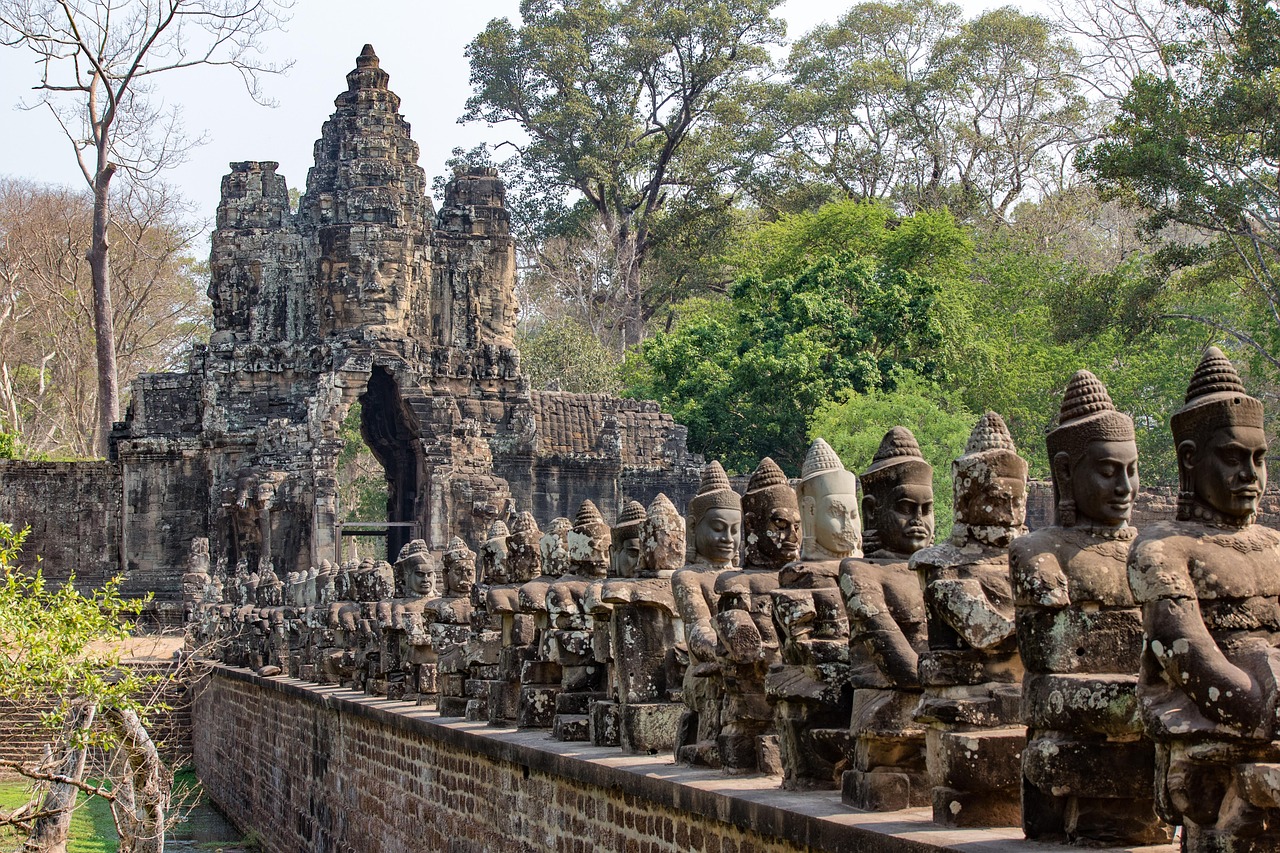
Welcome to Siem Reap – the gateway to the world-famous Angkor Wat complex, peaceful countryside, cascading waterfalls, and a culture that feels warm, authentic and deeply rooted. This Siem Reap Travel Guide is built entirely from my own first-hand trip, packed with real experiences, honest opinions, and practical tips that made our journey unforgettable.
From romantic boutique hotel stays and serene sunrise temple moments, to full-day adventures through jungle landscapes and sacred river carvings, Siem Reap surprised us in all the best ways. Whether you’re here for history, nature, food, or a little bit of everything, this guide will help you plan the perfect trip—based on what truly worked for us.
Table Of Contents
Where to Stay: Boutique Hotel Recommendation
For a quieter, boutique-style stay, we chose the Heritage Suites Hotel, a small romantic property that immediately felt like a retreat from the busier parts of Siem Reap. The location is ideal—close to Wat Po Lang Ka, just a quick 5-minute ride to the Old Market area, and around 15 minutes from the iconic Angkor Wat.
If you want to book the same place we stayed, you can use this link: Book your stay here.
Why we loved it: As a couple in our 40s, we appreciated the peaceful atmosphere, elegant design, and intimate feel. It’s perfect if you prefer a romantic, well-located boutique stay rather than the louder, backpacker-heavy options elsewhere.
Tip: If your budget allows, go for a room with pool access or an upgraded view—it makes those post-temple relaxation hours even better.
Getting Around & General Tips
Best time to visit: From my experience, the ideal time to visit Siem Reap is between November and February. It’s the dry season, temperatures are cooler, and overall it just feels far more comfortable for long temple days—even if it’s considered the “high season.”
Transport: Getting around is incredibly easy. Tuk-tuks and remorks (motorised rickshaws) are everywhere, and local apps like PassApp work similarly to Uber. We found tuk-tuk rides to be extremely affordable—noticeably cheaper than what we’re used to in Thailand.
Safety: Cambodia felt very safe overall. The people are friendly and welcoming, and we never ran into any issues. Still, if you’re exploring rural areas, it’s best to stick to well-used roads and familiar paths.
Tip: Don’t forget the essentials—swimwear (especially for waterfall days), a sun hat, comfortable walking shoes, and plenty of water for those hot, humid temple climbs.
Top Siem Reap Activities & Tours: Sunrise Temples, Waterfalls & Sacred Sites

1) Sunrise Temple Tour: Angkor Wat Small-Group Experience (Crowd-Free)
We booked the Angkor Wat Small-Group Sunrise Tour, and it turned out to be one of the absolute highlights of our entire Siem Reap trip. The early start is worth every second, and the small-group setup keeps the experience calm, personal, and far less crowded than the usual temple rush.
Itinerary:
- Pre-dawn hotel pickup to reach Angkor Wat before the first light.
- Spend 2–3 immersive hours exploring the central temple while the morning glow hits the stone carvings at the perfect angle.
- Head to Ta Prohm, the famous “Tomb Raider” temple wrapped in roots and jungle atmosphere.
- Continue to Banteay Kdei, a peaceful spot often used as a breakfast break—quiet, calm, and great for photos.
- Finish at Bayon Temple, known for its massive carved faces and incredible detail.
- Return to your hotel or continue on to explore smaller temples at your own pace.
Why we loved it:
Angkor Wat at sunrise is simply unforgettable. The guide was knowledgeable, the storytelling was fascinating, and having hotel pickup made everything smooth and effortless. Going early also meant we were ahead of the major crowds, making the whole experience far more special.
Insider Tips:
- Arrive as early as possible to capture the best reflection shots at the lotus pond.
- Bring a zoom or long-lens if you enjoy photographing intricate carvings at Bayon.
- Wear lightweight long sleeves or trousers for sun protection and temple dress code.
- Keep water and snacks handy, and use the breakfast stop to rest and recharge.
➡️ Book the Sunrise Tour to Angkor Wat

2) Phnom Kulen Waterfall & 1000 Lingas Full-Day Adventure
Another unforgettable experience in Siem Reap was the Phnom Kulen Waterfall & 1000 Lingas Full-Day Tour. This day combines nature, history, swimming, scenic viewpoints, and sacred cultural sites—making it a perfect contrast to the Angkor temple days.
Itinerary:
- Early morning pickup and drive out to Phnom Kulen National Park, a lush mountain region about an hour from Siem Reap.
- First stop: the River of 1,000 Lingas, where ancient Hindu-Buddhist carvings are etched directly into the riverbed.
- Continue to the stunning Phnom Kulen Waterfall, where you can swim, relax, cool off, or simply enjoy the natural beauty.
- Visit the Reclining Buddha at Preah Ang Thom Pagoda, a serene and spiritually significant site with panoramic views.
- Enjoy lunch at a local spot before making your way back to Siem Reap in the late afternoon.
Why we loved it:
This day felt completely different from temple touring—refreshing, energising, and deeply memorable. Between the waterfall swim, the sacred carvings, and the mountain pagoda, it’s the kind of experience that stays with you long after the trip is over.
Insider Tips:
- Do NOT forget your swimwear! You’ll definitely want it for the waterfall.
- Bring water shoes or sandals with grip—surfaces can be slippery near the water.
- Wear comfortable walking shoes for the hill paths and pagoda steps.
- Bring insect repellent, especially in the forested areas.
- If you can, choose a small-group tour to keep the pace relaxed and flexible.
➡️ Book the Full-Day Tour Here
Siem Reap: Food Recommendations
Damnak Lounge – Street 06, Krous Village, Siem Reap
Damnak Lounge at the Lotus Blanc Resort offers an elegant dining experience with a refined blend of European and Cambodian flavours. The upscale décor, spacious layout, and large windows give it a luxurious feel without being overly formal. The service is warm, and the presentation of every dish feels thoughtfully crafted.
What we recommend:
- Lamb Chops – beautifully cooked and full of flavour
- Damnak Fish Broth – delicate, aromatic, and comforting
- Bor Bor Poth Dessert – a standout sweet finish
Cuisine Wat Damnak – Wat Damnak Market Area, Siem Reap
Cuisine Wat Damnak delivers one of the most memorable dining experiences in Siem Reap by fusing authentic Cambodian ingredients with refined French culinary techniques. The tasting menus rotate frequently, showcasing seasonal produce and traditional Khmer flavours elevated to a fine-dining standard.
It’s extremely popular and seats fill up quickly, so booking well in advance is essential.
What we recommend:
- The Tasting Menu – a must-try
- The slow-cooked beef cheek was a personal highlight—rich, tender, and incredibly flavourful.
Sample 3-Day Itinerary
Here’s a streamlined 3/4-day plan combining the two tours and free time.
Day 1 – Arrival & Old Town
- Arrive in Siem Reap (airport or bus). Check-in at boutique hotel.
- Afternoon: stroll around Old French Quarter, Old Market, Pub Street.
- Dinner at Damnak Lounge or street-food evening.
Day 2 – Sunrise Temple Tour
- Very early (pre-dawn) pickup for the Sunrise Small-Group Tour.
- Explore Angkor Wat → Ta Prohm → Banteay Kdei → Bayon.
- Afternoon: Rest at hotel/pool, maybe spa.
- Evening: Night market shopping or sunset viewpoint (e.g., Phnom Bakheng).
Day 3 – Nature & Waterfall Adventure
- Early departure for the full-day Kulen Waterfall & 1,000 Lingas tour.
- Swim at waterfall, visit reclining Buddha at Preah Ang Thom.
- Return early evening.
- Final night special dinner (Cuisine Wat Damnak) or live performance (e.g., Apsara dance / circus).
Optional Day 4 (if you have more time)
- Visit a floating village on Tonlé Sap Lake or explore “less-visited” temples in the Grand Loop.
- Relaxing spa afternoon and sunset drinks by the river.
Final Thoughts
Siem Reap is much more than just one giant temple complex. With the right boutique hotel, smart tour planning (sunrise at Angkor, nature at Kulen), and local food experiences, you can turn what could be a hectic tourist stop into one of your most memorable travel weeks.
Siem Reap Travel Guide – FAQ
Is Siem Reap safe for tourists?
Yes, Siem Reap is generally very safe for travellers. The locals are welcoming, crime levels are low, and the main tourist areas are well-patrolled. As with any destination, stick to well-used roads when exploring rural areas and keep normal travel awareness.
What is the best time of year to visit Siem Reap?
The best time to visit is from November to February, during the dry and cooler season. This is considered peak season, but the weather is far more comfortable for exploring Angkor Wat and outdoor attractions.
How many days do you need in Siem Reap?
A minimum of 3 days is recommended. This allows one sunrise temple day, one full-day nature or waterfall tour, and one day for markets, food, or relaxation. If you want to explore more remote temples or floating villages, 4–5 days is ideal.
How do you get around Siem Reap?
Tuk-tuks and remorks are the most common and affordable way to get around. Apps like PassApp work similarly to Uber and make rides easy to book. Transport is very cheap compared to Thailand and other nearby destinations.
What should I wear when visiting temples?
Temples require modest clothing—shoulders and knees should be covered. Lightweight long sleeves or trousers help with both sun protection and comfort. Comfortable walking shoes are essential for uneven stone pathways.
Should I book a sunrise tour for Angkor Wat?
Yes. A sunrise Angkor Wat tour offers the most beautiful lighting, fewer crowds, and a more serene atmosphere. A guided small-group tour also provides valuable insight and smooth logistics.
Do I need swimwear in Siem Reap?
Absolutely—especially if you’re visiting Phnom Kulen Waterfall. Swimming is one of the highlights, and you’ll regret not having swimwear with you.
What is the best area to stay in Siem Reap?
For a boutique, peaceful stay that’s still close to everything, the area around Wat Po Lang Ka is excellent. It offers quick access to the Old Market, the French Quarter, and Angkor Wat, while remaining quieter than the Pub Street area.
Is the food in Siem Reap expensive?
No. Siem Reap has a wide range of dining options—from very affordable street food to high-quality fine dining like Damnak Lounge and Cuisine Wat Damnak. You can eat well at any budget.
Do I need to pre-book restaurants or tours?
Tours can be booked a few days in advance, but Cuisine Wat Damnak and other popular restaurants should be booked as early as possible. Peak season bookings fill quickly.
🔗 Related Travel Guides