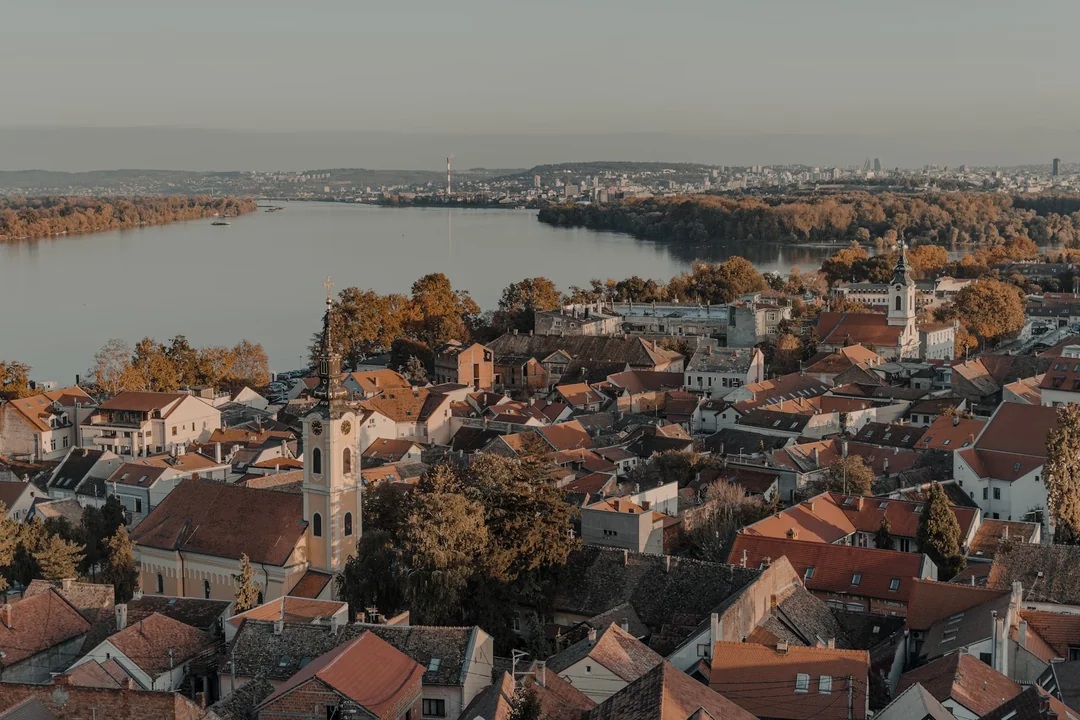
This Belgrade Travel Guide is designed for travellers who want to understand the city properly — not just tick off landmarks, but experience Belgrade as it actually feels on the ground. Often overlooked in favour of more obvious European capitals, Belgrade is a city with a complex history, a strong identity, and an energy that becomes clearer the more time you spend exploring it.
For first-time visitors, deciding what to do in Belgrade can be surprisingly challenging. The city doesn’t present itself in a polished, postcard-perfect way, but that’s exactly what makes it rewarding. From historic fortresses and riverside neighbourhoods to local markets and hidden viewpoints, many of the best experiences come with context — and that’s where guided experiences really add value.
This guide focuses on the most rewarding things to do in Belgrade, with a strong emphasis on Belgrade sightseeing and the best tours in Belgrade for understanding the city’s history, culture, and layout. Whether you’re visiting for a short break or using Belgrade as a base to explore more of Serbia, planning a few key tours can completely change how you experience Belgrade — turning what might feel confusing at first into one of the most interesting city breaks in Europe.
Table Of Contents
Things to Do in Belgrade: Tours That Explain the City Properly
Belgrade isn’t a city that immediately explains itself. Much of what makes it interesting — and at times confronting — is tied to history, politics, and geography that isn’t always obvious when you’re walking around on your own. This is where guided tours genuinely add value. The right tour doesn’t just show you places; it gives context to why Belgrade looks and feels the way it does today.
If you’re deciding what to do in Belgrade, these two tours stand out as some of the most rewarding ways to understand the country beyond surface-level sightseeing.

Gems of Eastern Serbia Day Tour from Belgrade
After spending several days exploring Belgrade, we wanted to see more of what Serbia has to offer beyond the capital. While Belgrade itself is layered and fascinating, this tour stood out because it promised something different — a mix of history, nature, and lesser-known landmarks in eastern Serbia. It turned out to be one of the most memorable experiences of our entire trip.
This day trip offered a refreshing change of pace, moving through medieval monasteries, caves, waterfalls, and crystal-clear springs, and gave us a far deeper appreciation for Serbia’s landscapes and cultural heritage than staying in the city alone ever could.
Manasija Monastery
The day began with an early pickup from Belgrade and a scenic drive towards Manasija Monastery, set within the green Resava gorge. Built in the early 15th century by Despot Stefan Lazarević, the monastery feels more like a fortress than a place of worship. It’s surrounded by twelve imposing towers and thick defensive walls, designed to protect the Church of the Holy Trinity during turbulent times.
Inside, the atmosphere changes completely. The frescoes are remarkably well preserved and are considered some of the finest examples of medieval Serbian art. It’s a peaceful, reflective stop that immediately sets the tone for the rest of the day.
Resava Cave
From the monastery, the tour continued to Resava Cave, one of the most impressive cave systems in Serbia. Formed around 80 million years ago, the cave feels almost otherworldly. A well-lit 800-metre walking route takes you through chambers filled with dramatic stalactites, stalagmites, and sculptural rock formations.
The temperature inside stays around 7°C (45°F), making it a cool and comfortable break from the warmer weather outside. The guided explanation adds context without feeling rushed, striking a good balance between education and atmosphere.
Veliki Buk Waterfall
Next, we stopped at Veliki Buk Waterfall, where the pace slowed noticeably. Surrounded by lush greenery, the waterfall cascades down rock formations into a calm pool below. It’s a simple but striking natural setting — ideal for photos, but just as enjoyable for a quiet moment to take it all in.
Lunch followed at a nearby ethno-style restaurant, where traditional regional dishes are available. Fresh trout is a popular option here (lunch is optional and paid separately), and the setting adds to the relaxed, rural feel of the day.
Krupaj Spring (Krupajsko Vrelo)
One of the most visually striking stops was Krupaj Spring, a vivid karst spring located at the foot of Beljanica Mountain. The water here is an intense turquoise colour, so clear that it almost looks unreal. It’s the kind of place that stops you mid-conversation — peaceful, atmospheric, and incredibly photogenic.
This stop felt like a natural pause in the day, offering a moment to appreciate just how diverse eastern Serbia’s landscapes are.
Logistics & What’s Included
From a practical perspective, the tour ran smoothly from start to finish. Pickup and drop-off were provided from centrally located Belgrade accommodation, and transport was in a comfortable, air-conditioned minivan with Wi-Fi and bottled water. The English-speaking guide was informative without being overwhelming, and entry fees for both Resava Cave and Veliki Buk Waterfall were included. Lunch is optional, giving you flexibility depending on your preferences.
Final Thoughts on the Tour
This was, without question, our best day during our time in Belgrade. The combination of medieval history, dramatic landscapes, and well-paced stops made the experience feel balanced and rewarding from start to finish. From the quiet intensity of Manasija’s frescoes to the cool air of Resava Cave and the calm beauty of Krupaj Spring, every part of the day felt thoughtfully chosen.
If you’re looking to see a side of Serbia that most visitors never experience — and want to do so without worrying about logistics — this tour delivers exceptionally well.
👉 From Belgrade: Gems of Eastern Serbia Day Tour

Yugoslavia & Communist History Tour of Belgrade
Belgrade’s recent history is impossible to ignore, but it’s also easy to misunderstand without context. This guided Yugoslavia and communist history tour focuses on the city’s 20th-century past, exploring how socialism, war, and the breakup of Yugoslavia shaped modern Serbia.
The tour covers key sites connected to Yugoslav history while explaining political ideologies, daily life under communism, and how those years are viewed locally today. Rather than glorifying or simplifying the past, it presents a balanced, informative perspective — which is exactly what makes it such a valuable experience.
For travellers interested in history, politics, or understanding Belgrade on a deeper level, this is one of the most insightful Belgrade sightseeing tours available and a strong complement to more traditional walking routes.
👉 Explore the Yugoslavia & Communist history tour
Museum of Serbian History
For those who prefer exploring at their own pace, the Museum of Yugoslavia (often referred to locally when discussing modern Serbian and Yugoslav history) is one of the most worthwhile cultural stops in the city. The museum provides valuable background on Serbia’s political and social development, helping visitors place what they see on tours into a wider historical context.
Visiting the museum works particularly well alongside the Yugoslavia and communist history tour, reinforcing themes and offering a quieter, more reflective way to engage with Serbia’s past. It’s an excellent option if you want a deeper understanding without committing to another guided experience.

Ada Ciganlija (Belgrade’s Outdoor Escape)
Ada Ciganlija offers a completely different side of Belgrade and is where locals go when they want space, nature, and a slower pace. Set on a river island along the Sava, Ada functions as the city’s main recreational area, especially in warmer months.
The atmosphere here is relaxed and informal. You’ll find walking and cycling paths, lakeside cafés, beach areas, and plenty of places to sit with a drink by the water. After spending time on history-focused tours or exploring the city centre, Ada Ciganlija works well as a mental reset — somewhere to experience everyday life in Belgrade rather than its past.
It’s easy to reach from central Belgrade and doesn’t require a tour or ticket, making it a good option if you want to balance guided experiences with something more independent and low-key.
Why These Experiences Work So Well in Belgrade
Belgrade isn’t a city defined by a single attraction or time period. Its identity has been shaped by geography, shifting borders, political upheaval, and everyday local life — often all at once. That complexity can feel confusing without context, but it’s also what makes the city so compelling when experienced in the right way.
Combining guided tours with independent cultural stops helps those layers fall into place. A day trip into eastern Serbia shows how geography and history extend far beyond the capital, while a Yugoslavia and communist history tour provides essential insight into the events that still influence Belgrade today. Visiting museums adds depth and reflection, and places like Ada Ciganlija reveal how the city functions in the present — not just how it’s remembered.
Taken together, these experiences create a balanced understanding of Belgrade. You see the past, the landscape, and everyday life side by side, turning what might otherwise feel fragmented into a city that makes sense — and one that stays with you long after you leave.
Where to Eat & Drink in Belgrade: Our Personal Recommendations
Belgrade’s food scene is best experienced with local insight. We were lucky enough to explore the city with a local friend, which meant skipping obvious tourist spots and instead eating where residents actually go. The result was a mix of simple, everyday favourites and deeply traditional venues that feel tied to the city’s identity rather than its visitor numbers.
Rather than listing dozens of places, these are the food experiences that genuinely stood out during our time in Belgrade.

Pekara Trpković
Pekara Trpković is a bakery you don’t stumble into by accident — and the queue outside makes that clear. We waited around 20 minutes to get in, but the line was made up entirely of locals, which is always a good sign. This isn’t a tourist novelty; it’s part of daily life in Belgrade.
The pastries are exceptional, fresh, and clearly made with care. It’s the kind of place where you grab something quickly, eat it standing nearby, and immediately understand why people are willing to wait. If you want to experience Belgrade the way locals do, this is an easy and authentic starting point.
Tri šešira
Tri šešira is one of Belgrade’s most iconic kafanas, having been part of the city since 1864. Located in the cobbled streets of Skadarlija, it feels like stepping into another era. But it’s important to set expectations — you don’t come here just for the food.
This is a full cultural experience. Live Serbian music, traditional singing, spontaneous dancing, hearty local dishes, and generous pours of rakija all come together to create an atmosphere that’s lively, loud, and unapologetically old-school. It’s the kind of evening that stays with you long after the plates are cleared.
If you want to understand Belgrade’s social culture, this is one of the best places to do it.
Street Food Festivals at Kalemegdan
We were fortunate enough to visit during a street food festival at Kalemegdan, and it turned out to be one of the most enjoyable food experiences of the trip. Set against the backdrop of the fortress and river views, the festival featured a wide variety of local dishes, snacks, and casual street food.
What made this special wasn’t just the food, but the atmosphere — locals gathering, music playing, and a relaxed energy that felt very Belgrade. These events aren’t permanent fixtures, so it’s worth checking local listings or event calendars to see what’s happening during your visit. If you catch one, it’s an easy way to sample local flavours without committing to a full restaurant meal.
A note on eating in Belgrade
Belgrade isn’t a city where the best food experiences always come from polished dining rooms. Some of the most memorable meals happen standing in a bakery queue, sharing a table in a historic kafana, or wandering through a temporary street food festival. Keeping your plans flexible — and following where locals go — often leads to the best results.
Where We Stayed in Belgrade (And a Luxury Alternative)
When visiting Belgrade, we prioritised location and practicality over luxury. Most of our time was spent exploring the city, joining tours, and eating out, so the hotel mainly served as a base rather than a destination in itself. That approach worked well here, especially given how much there is to see and do across the city.
Hotel Rex (Our Stay)
We stayed at Hotel Rex, a straightforward 3-star hotel that delivered exactly what we needed. The rooms were clean, functional, and comfortable, and the location made it easy to get around Belgrade without feeling disconnected from the centre.
This isn’t a hotel you book for amenities or atmosphere — but if your plan is to spend your days out exploring and your evenings eating and drinking around the city, it works well as a reliable base. We didn’t spend much time in the hotel itself, and for us, that was intentional. It allowed us to keep accommodation costs reasonable while focusing our budget on experiences instead.
For travellers with a similar mindset — especially those planning to book tours and spend full days out — Hotel Rex is a solid, no-nonsense option.
👉 Check availability and current rates at Hotel Rex
The Bristol Belgrade (Luxury Option)
If you’re travelling with a bigger budget or want your accommodation to feel like part of the experience, The Bristol Belgrade is worth considering. This historic hotel offers a far more refined and elegant stay, with a strong sense of character that reflects Belgrade’s past.
Staying somewhere like The Bristol makes sense if you enjoy returning to a polished space after a day of sightseeing, or if you’re planning a slower-paced trip where the hotel itself plays a larger role. It’s a good option for couples, special occasions, or travellers who want a more indulgent base while still being well connected to the city.
👉 View rooms and pricing at The Bristol Belgrade
Choosing the right base in Belgrade
Belgrade is a city best experienced outside your hotel room. Whether you opt for a simple, comfortable stay like Hotel Rex or a more luxurious option like The Bristol, the most important factor is choosing somewhere that supports your plans — not competes with them.
If your itinerary is built around tours, walking the city, and eating out, a practical hotel works perfectly. If comfort and atmosphere matter more to you, upgrading can enhance the overall feel of your trip.
Final Thoughts: How to Experience Belgrade Properly
Belgrade isn’t a city that tries to impress at first glance — and that’s exactly why it stays with you. Its appeal comes from contrast: layers of history alongside everyday local life, heavy stories balanced by relaxed social spaces, and a city centre that only begins to make sense once you step slightly beyond it.
The key to experiencing Belgrade properly is context. Guided tours help connect the dots between the city’s past and present, while day trips into eastern Serbia reveal just how diverse the country’s landscapes and history really are. Pairing those experiences with time spent eating where locals eat, walking neighbourhoods without an agenda, or relaxing somewhere like Ada Ciganlija gives the trip balance.
You don’t need to overpack your itinerary here. Choosing a small number of meaningful experiences — one or two well-chosen tours, a handful of local food spots, and a comfortable base — goes much further than trying to see everything. Belgrade rewards curiosity, patience, and a willingness to engage with its complexity, and for travellers who approach it that way, it becomes one of Europe’s most interesting and underrated city breaks.
Belgrade Travel Guide: Frequently Asked Questions
Is Belgrade worth visiting?
Yes — especially if you enjoy cities with character, history, and a strong local identity. Belgrade isn’t polished in the traditional European sense, but that’s part of its appeal. With the right mix of sightseeing, tours, and local experiences, it offers a rewarding and memorable visit.
How many days do you need in Belgrade?
Most travellers find 3 to 4 days ideal. This allows time to explore the city centre, join at least one guided tour, enjoy local food, and potentially take a day trip outside the capital. If you’re interested in Serbia beyond Belgrade, adding an extra day works well.
What are the best things to do in Belgrade?
Some of the best things to do in Belgrade include guided history tours, exploring Kalemegdan Fortress, visiting museums focused on Yugoslav and Serbian history, and spending time along the rivers. Day trips into eastern Serbia also add valuable perspective beyond the city.
Are tours in Belgrade worth it?
Yes — tours add significant value in Belgrade. Much of the city’s history isn’t immediately obvious, and guided experiences help explain how past events shape modern life. If you’re choosing only one, a history-focused city tour or a day trip outside Belgrade is a great starting point.
What is the best day trip from Belgrade?
Eastern Serbia is one of the most rewarding day trip options. Tours that include monasteries, caves, waterfalls, and natural springs show a very different side of the country and are difficult to replicate independently without a car.
Is Belgrade expensive?
Belgrade is generally more affordable than many Western European capitals. Food, transport, and accommodation offer good value, especially if you balance a simple hotel with spending on experiences like tours and meals.
Where is the best area to stay in Belgrade?
Staying within or near the city centre works best for first-time visitors, as it makes sightseeing and joining tours easier. If you plan to spend most of your time out exploring, a practical, well-located hotel is often all you need.
Is Belgrade safe for tourists?
Yes. Belgrade is generally safe for visitors, including solo travellers. As with any city, basic awareness is advised, but most travellers find the city welcoming and easy to navigate.