Vibrant, chaotic, historic, and endlessly rewarding, Mexico City is one of the most exciting destinations in the world. It’s a place where ancient ruins sit alongside colonial architecture, world-class museums rival those of any European capital, and some of the best food on the planet is served from both fine-dining kitchens and street-side taco stands.
In this Mexico City Travel Guide, we’ll cover everything you need to plan a memorable trip — from the best things to do and must-visit neighbourhoods to where to eat, where to stay, and practical travel tips. Mexico City is especially well suited to travellers who want depth and variety: cultural attractions, incredible food, walkable districts, and day trips that are easy to arrange without leaving the city far behind.
Whether you’re visiting for a long weekend or spending a full week exploring, Mexico City rewards curiosity. This guide is designed to help you experience the city confidently and efficiently, while still leaving room to wander, eat well, and discover why so many travellers end up wanting to return.
Table Of Contents

Why Visit Mexico City?
There are very few cities that offer the scale, culture, and energy of Mexico City. With a history that stretches back to the Aztecs, a thriving modern arts scene, and one of the best food cultures anywhere in the world, Mexico City delivers far more than most first-time visitors expect.
One of the biggest reasons to visit is the variety. You can spend a morning exploring the historic streets of Centro Histórico, walk through leafy neighbourhoods like Roma and Condesa in the afternoon, and finish the day eating exceptional food at a local taquería or neighbourhood restaurant. Museums, parks, markets, and galleries are spread throughout the city, making it easy to mix culture with everyday city life.
Food alone is a reason to visit. Mexico City is widely regarded as one of the world’s great food destinations, offering everything from casual street tacos to internationally recognised fine dining. Whether you’re eating in a market, at a family-run spot, or at a celebrated restaurant, the quality and variety are consistently impressive.
Despite its size, Mexico City is also surprisingly accessible. Public transport is affordable, many neighbourhoods are walkable, and organised tours make it easy to visit major sights or take day trips to places like Teotihuacán. If you’re looking for a destination that rewards exploration, curiosity, and a good appetite, Mexico City is hard to beat.
Best Things to Do in Mexico City
Mexico City offers an exceptional mix of history, culture, and everyday experiences, and the best way to approach it is by balancing major landmarks with neighbourhood-level exploration. From centuries-old religious and archaeological sites to vast urban parks, world-class museums, and uniquely local experiences like lucha libre, the city rewards travellers who take the time to dig a little deeper. The attractions below cover the highlights you shouldn’t miss on a first visit, while still leaving room to experience Mexico City beyond a checklist.

Explore Centro Histórico (Cathedral & Templo Mayor)
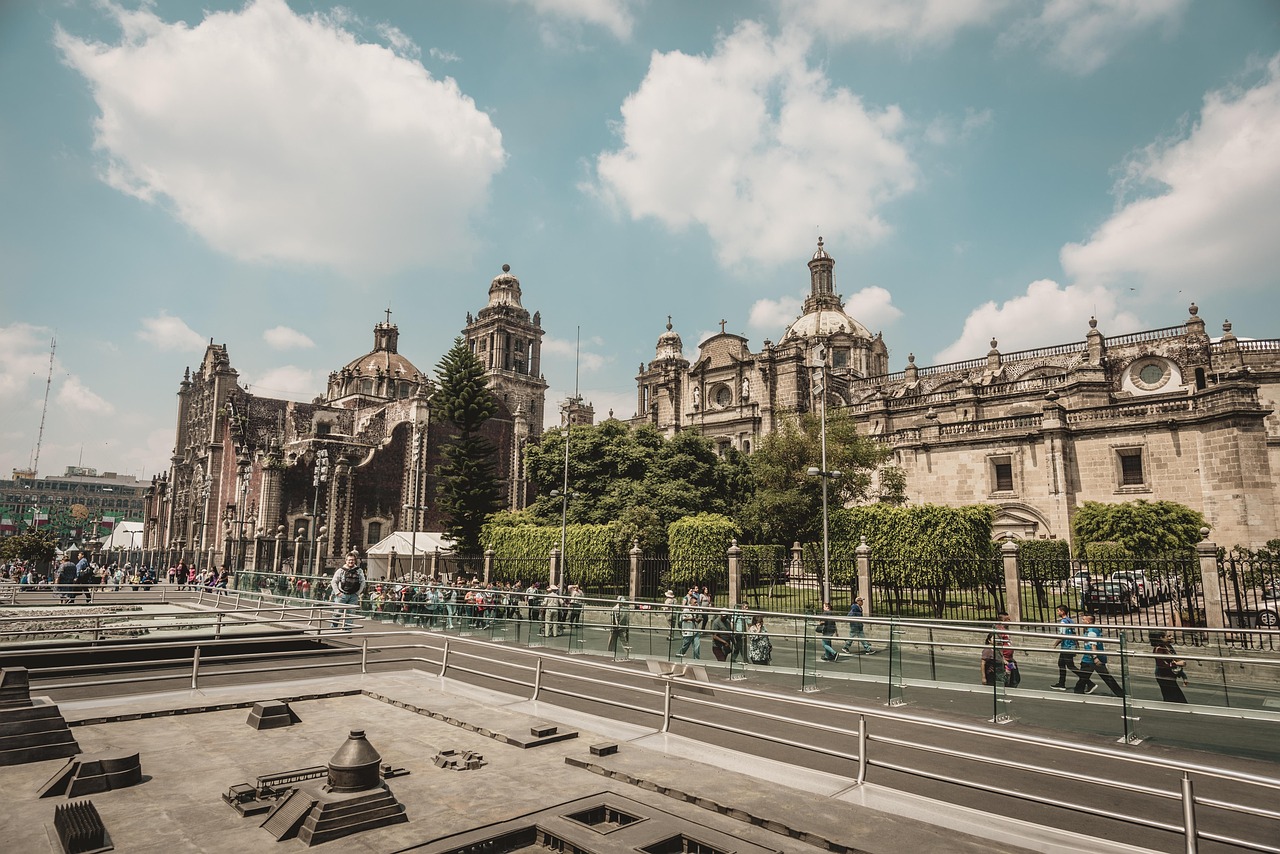
Centro Histórico is the best place to start exploring Mexico City. This area concentrates centuries of history into a few walkable blocks around the Zócalo and gives a clear sense of how the city evolved from its Aztec origins to the colonial era.
The Metropolitan Cathedral dominates the square and is free to enter, making it an easy stop even if you’re short on time. Inside, it’s surprisingly calm compared to the busy streets outside, and worth a quick look for the scale alone.
Just steps away is the Templo Mayor, the remains of the main temple of the Aztec capital, Tenochtitlán. Entry costs $100 MXP, and it’s one of the most striking examples of how ancient ruins sit directly alongside modern Mexico City. Walking through the site, with the cathedral rising behind it, really highlights the layered history of the city.
Centro Histórico is busy and energetic, but it’s an essential stop and one of the best places to understand Mexico City’s past in a short amount of time.


Visit Chapultepec Park & Chapultepec Castle
Chapultepec Park is one of the largest city parks in the world and an easy place to spend a few hours between museums and neighbourhoods. Entry to the park is free, and it’s a welcome break from the busy streets, with shaded paths, lakes, and plenty of space to slow the pace.
The main attraction here is Chapultepec Castle, perched on a hill above the park. It’s the only royal castle in the Americas, and visiting it gives you both history and some of the best views in the city. Admission to the castle is around $100 MXP, and it’s well worth it.
Inside, the castle is beautifully preserved, with grand rooms, murals, and exhibitions covering Mexico’s imperial and presidential past. Even if you’re not usually big on museums, the combination of the setting, architecture, and panoramic views over Mexico City makes this visit stand out. Try to go earlier in the day to avoid queues and enjoy the grounds before it gets busy.
Chapultepec Park and Castle are easy to pair with nearby attractions like the Museum of Anthropology, making this one of the most rewarding and efficient sightseeing areas in Mexico City.


National Museum of Anthropology (Guided Visit Recommended)
The National Museum of Anthropology is one of the most important museums in Mexico — and easily one of the most impressive we visited. Even before you go inside, the scale and architecture stand out, with the iconic central courtyard and towering concrete umbrella fountain setting the tone for what’s to come.
Inside, the museum covers Mexico’s pre-Hispanic civilisations in remarkable depth, with entire halls dedicated to cultures such as the Aztecs and Maya. Highlights include monumental stone sculptures, intricate carvings, and the famous Aztec Sun Stone. The layout is vast and visually striking, but it can also feel overwhelming if you’re visiting without context.
We chose to do a guided tour, and it made a huge difference — especially for English speakers. Much of the detailed information inside the museum is presented primarily in Spanish, with limited English explanations. Having a guide meant the exhibits actually came to life rather than feeling like a series of impressive but unexplained artefacts. Our guide, Leonardo, was excellent: clear, engaging, and extremely knowledgeable, adding historical background and cultural context that we would have completely missed on our own.
If you’re even slightly interested in Mexico’s history, a guided visit to the National Museum of Anthropology is absolutely worth it. The museum is impressive both inside and out, but the right guide turns it from a visually striking stop into one of the most educational and memorable experiences in Mexico City.
If you want to experience the National Museum of Anthropology the same way we did, we’d strongly recommend booking an English-speaking guided tour. It makes a huge difference in understanding the exhibits and the wider history.
👉 You can book the same English-speaking tour we took here.

Visit the Frida Kahlo Museum & Explore Coyoacán
A visit to the Frida Kahlo Museum (Casa Azul) is one of the most popular cultural experiences in Mexico City — and for good reason. This was Frida Kahlo’s childhood home and later her residence with Diego Rivera, and walking through the rooms offers a very personal look at her life, art, and influences. Because entry is timed and numbers are limited, tickets often sell out days in advance, so pre-booking is strongly advised if this is on your must-see list.
Pairing the museum with time in Coyoacán makes the trip especially worthwhile. Coyoacán feels very different from central Mexico City — quieter, greener, and more village-like — with colourful streets, leafy plazas, and a slower pace. The Coyoacán Market is a highlight, offering everything from casual local food and snacks to souvenirs, and it’s an easy spot to stop for lunch after the museum.
Together, the Frida Kahlo Museum and Coyoacán offer a well-rounded experience that combines art, history, and neighbourhood life. If you’re interested in Mexican culture beyond the city’s major landmarks, this is one of the most rewarding areas to visit — just make sure you secure museum tickets ahead of time.
👉 Pre-Book the Frida Kahlo Museum Here.

Experience Lucha Libre (An Unforgettable Night in Mexico City)
Seeing Lucha Libre live is one of the most entertaining and uniquely Mexican experiences you can have in Mexico City — and doing it as part of an organised evening tour made the whole night even better.
We booked a guided Lucha Libre night tour, which combined pre-drinks, food, and the main event into a seamless evening. Before heading to the arena, the group stopped for a tequila tasting, which was a great icebreaker and set the tone for the night. From there, we grabbed food at a local taco spot with the rest of the group, giving us a chance to eat well, chat, and get excited before the show.
The main event itself was incredible. The energy inside the arena is electric, with locals fully invested in the action — cheering, shouting, and reacting to every dramatic move. Even if you don’t fully understand the rules, it doesn’t matter. The masked wrestlers, over-the-top characters, and fast-paced action make it easy to get swept up in the atmosphere. It’s loud, chaotic, and genuinely fun from start to finish.
What made this night stand out was how well it was put together. Having everything organised — from food and drinks to tickets and transport — meant we could focus on enjoying the experience rather than navigating logistics. If you’re looking for a memorable night out that shows a different side of Mexico City beyond museums and landmarks, Lucha Libre is a must.
It was easily one of our favourite nights in the city and a highlight of our Mexico City trip.

Take a Full-Day Trip to Teotihuacán & Surrounding Sites
A full-day trip to Teotihuacán is one of the most rewarding excursions you can take from Mexico City. Visiting as part of an organised tour makes the experience far smoother and more informative, especially when multiple major sites are included in a single day.
This guided tour combines Teotihuacán, Tlatelolco, and the Basilica of Our Lady of Guadalupe, giving you a broader understanding of Mexico’s history beyond just the pyramids. At Teotihuacán, you’ll explore the Avenue of the Dead and see the Pyramid of the Sun and Pyramid of the Moon, with a knowledgeable guide explaining the significance of the site and how this ancient city once functioned. Having that context makes a huge difference compared to walking around independently.
The additional stops round out the day nicely. Tlatelolco offers insight into Mexico’s layered history — pre-Hispanic, colonial, and modern — while the Basilica of Guadalupe is one of the most important religious sites in the country and fascinating to see even if you’re not religious. Transport, timing, and logistics are all handled, which is a big advantage given the distances involved.
If you want to see Teotihuacán properly without the hassle of organising transport or navigating multiple sites on your own, this full-day tour is an excellent option and a very efficient use of time.
It’s a standout day trip from Mexico City and a great way to experience some of the country’s most important historical sites in one well-organised outing.
One thing we genuinely regretted not doing was the hot air balloon flight over Teotihuacán. Seeing the pyramids from the ground was incredible, but watching the sunrise over the Avenue of the Dead from the air looks next-level and is something we’ll definitely be doing next time we’re in Mexico City. If you’re even slightly thrill-seeking or want a once-in-a-lifetime view, this is one of those experiences people rave about long after their trip.
👉 If you want to take your Teotihuacán visit up a notch, check out the hot air balloon tour here.
Where to Eat in Mexico City (Restaurants, Tacos & Bakeries)
Mexico City is a destination where food is a central part of the experience, not an afterthought. From early-morning breakfasts and casual lunches to street tacos, bakeries, and memorable evening meals, the city offers an incredible range of flavours and styles at every level. Whether you plan your days around eating or simply want great food between sightseeing stops, Mexico City consistently delivers — and the recommendations below cover breakfast, lunch, and dinner to help you make the most of it.

Best Restaurants & Brunch Spots in Mexico City
Mexico City’s restaurant scene is deep and varied, and these are places we’d confidently recommend across brunch, lunch, and dinner. Expect everything from iconic seafood institutions to creative, modern kitchens.
Contramar – A Mexico City classic and still one of the best meals in town. Famous for its seafood and consistently excellent execution. Popular for a reason.
Entremar – The sister restaurant to Contramar, offering a very similar menu and quality, often with slightly easier reservations.
Mi Compa Chava – A go-to spot for bold, Sinaloa-style seafood flavours. Lively, flavour-forward, and great for a relaxed but memorable meal.
Masala y Maíz – One of the most interesting restaurants in the city, blending Mexican, Indian, and East African influences. Creative without being overcomplicated.
Botánico – A stylish, plant-filled space offering a seasonal menu that works well for both daytime and evening dining.
Máximo Bistrot – Refined but approachable, with a strong focus on local ingredients. A great choice if you’re looking for a higher-end dining experience without feeling stuffy.
Café Madre – A standout brunch spot, popular for good reason. Ideal for a slower morning or early lunch.
El Beneficio Bistrot – A relaxed neighbourhood option serving well-executed dishes in a comfortable setting.
Órbita – A more low-key but reliable choice, good for a casual brunch.
This list barely scratches the surface, but it’s a strong starting point for eating well in Mexico City — whether you’re planning specific reservations or just building your days around good food.

Best Tacos in Mexico City
Mexico City’s taco scene is deep, fast-moving, and incredibly consistent. From late-night legends to daytime specialists, these are taco spots we’d actively go out of our way to eat at.
Taquería Orinoco – One of the most popular taquerías in the city, known for perfectly executed classics and consistently great quality. Busy, but worth it.
El Califa de León – A historic spot and famously awarded Michelin recognition. Simple setup, exceptional meat, and proof that great tacos don’t need extras.
Arrachera Tacos El Tigre – Excellent arrachera (skirt steak) tacos, packed with flavour and best enjoyed fresh off the grill.
El Vilsito – A cult favourite and late-night classic. What looks like a mechanic shop by day turns into one of the city’s most loved taco spots at night.
Los Cocuyos – Famous for offal cuts and bold flavours. Not for everyone, but a must for adventurous eaters.
El Compita | Birria de Res – Rich, comforting birria tacos done properly. Deep flavour and perfect after a long day of walking.
Taquería El Turix – Known for Yucatecan-style tacos, especially cochinita pibil. A nice change from the usual al pastor lineup.
La Original Birria Don Chuy – A go-to for traditional birria, slow-cooked and full of flavour. Simple, satisfying, and very well executed.
You could eat tacos every day in Mexico City and still not repeat yourself — but if you’re short on time, this list is a very strong place to start.

Best Bakeries & Pastry Shops in Mexico City
Mexico City’s bakery scene is just as impressive as its restaurants and taco stands, with everything from classic pan dulce to more modern, European-style pastries. These are some of the best places to stop for breakfast, a mid-morning coffee, or something sweet between sightseeing stops.
Casa 1900 – A favourite for beautifully made pastries and a calm, refined setting. Ideal for a slower breakfast or coffee break.
Green Rhino – Known for high-quality baked goods and a more contemporary feel. A great option if you’re nearby and want something reliable and well executed.
Panadería Rosetta – One of the most famous bakeries in the city, especially known for its pastries and breads. Popular for a reason, but expect queues at peak times.
Pastelería Ideal – A Mexico City institution. Less about aesthetics and more about sheer variety, with counters stacked high with traditional pastries at very affordable prices.
Odette – A smaller, more understated spot offering well-crafted pastries that are perfect if you’re looking for something simple and done well.
If you enjoy starting your day with good coffee and pastries, Mexico City won’t disappoint — and these bakeries are easy to fit in alongside sightseeing without going out of your way.
Best Neighbourhoods to Stay in Mexico City
Choosing where to stay in Mexico City can have a big impact on how you experience the city. Neighbourhoods vary a lot in atmosphere, walkability, and access to food and attractions, so it’s worth thinking about what kind of trip you want.
We stayed in Paseo de la Reforma, which worked well as a central base. Reforma makes it easy to get to Centro Histórico as well as Roma and Condesa, and it’s well connected by transport. That said, if we were booking again, we’d choose to stay directly in Roma or Condesa. Both neighbourhoods felt more walkable, had a stronger food scene on your doorstep, and offered a better day-to-day atmosphere.
Reforma is still a practical option, especially if you want easy access across the city, but Roma and Condesa are hard to beat if you value cafés, restaurants, and neighbourhood life just outside your hotel door.
Where We Stayed in Mexico City
We stayed at Barceló México Reforma, and overall it was nice enough and well located. Being right on Reforma made it easy to get to Centro Histórico and across to Roma and Condesa, which worked well for sightseeing-heavy days.
The hotel itself is comfortable and modern, with good spa facilities and an indoor pool, which was a welcome bonus after long days walking the city. Rooms were solid, service was reliable, and it did exactly what we needed it to do as a base.
If you’re looking for a central, practical hotel on Reforma with added amenities like a spa and pool, Barceló México Reforma is a safe choice.
👉 Check availability and current rates for Barceló México Reforma here.
Mexico City Travel Tips
Mexico City is a large, busy city, but with a bit of planning it’s surprisingly easy to navigate. One of the biggest tips we’d give is to use Uber as your main form of transport. It’s widely available, affordable compared to taxis in many other major cities, and removes the need to negotiate fares or worry about language barriers. For short trips between neighbourhoods like Roma, Condesa, Centro, and Reforma, Uber was consistently the simplest option.
Traffic can be heavy, especially during rush hour, so it’s worth building extra time into your plans if you’re heading to tours, museums, or reservations. That said, distances between key areas aren’t huge, and rides are generally straightforward outside peak times. Walking is also very manageable in neighbourhoods like Roma and Condesa, which are flat, lively, and packed with places to stop along the way.
Another useful tip is to book popular attractions and experiences in advance. Places like the Frida Kahlo Museum, guided museum tours, and day trips to Teotihuacán can sell out, especially on weekends. Pre-booking not only guarantees entry but often saves time waiting in queues.
Finally, pace yourself. Mexico City is intense in the best way — there’s a lot to see, eat, and do — but trying to cram everything into each day can be exhausting. Build in slower mornings, long lunches, and neighbourhood wandering, and the city becomes far more enjoyable.
Final Thoughts
Mexico City is a destination that rewards curiosity. It’s big, busy, and sometimes overwhelming — but that’s exactly what makes it so memorable. From historic sites like Centro Histórico, Chapultepec Castle, and Teotihuacán, to neighbourhoods such as Roma, Condesa, and Coyoacán, the city offers an incredible mix of culture, history, and everyday life.
What really sets Mexico City apart, though, is the food. From street tacos and bakeries to standout restaurants and brunch spots, eating well becomes part of the daily routine rather than a special occasion. Even after visiting other food capitals, the quality and variety here genuinely stood out.
With good transport options like Uber, excellent guided tours, and neighbourhoods that are easy to explore on foot, Mexico City is far more accessible than many first-time visitors expect. If you’re willing to embrace the scale of the city and slow down enough to enjoy it properly, Mexico City delivers some of the most rewarding travel experiences you can have — and it’s a place we’d happily return to again.
Mexico City Travel Guide FAQs
Is Mexico City worth visiting?
Absolutely. Mexico City offers an incredible mix of history, culture, food, and neighbourhood life that few cities can match. From world-class museums and historic sites to some of the best food in the world, it’s a destination that rewards both first-time visitors and repeat trips.
Is Mexico City safe for tourists?
In our experience, Mexico City felt safe, especially in neighbourhoods like Roma, Condesa, Reforma, and Centro Histórico. Using common sense, staying aware of your surroundings, and relying on Uber rather than street taxis goes a long way. Like any large city, some areas are better avoided, but most visitors stick to well-travelled neighbourhoods without issue.
How many days do you need in Mexico City?
Ideally, 4 to 6 days. This gives you enough time to explore major attractions, enjoy the food scene, visit a few neighbourhoods, and take at least one day trip such as Teotihuacán without rushing.
What is the best area to stay in Mexico City?
Roma and Condesa are two of the best areas for most travellers thanks to their walkability, food options, and overall atmosphere. Reforma is a good central base for sightseeing, while Coyoacán is quieter and more traditional.
What is the best time to visit Mexico City?
The best time to visit is generally March to May, when the weather is warm and dry. December to February is also popular with slightly cooler temperatures. Summer months bring more rain, usually in short afternoon showers.
Is Uber easy to use in Mexico City?
Yes. Uber is widely available, affordable, and one of the easiest ways to get around the city. It’s especially useful for moving between neighbourhoods and late-night trips, and we used it throughout our stay.
Do I need to speak Spanish in Mexico City?
You can get by without Spanish in tourist areas, hotels, and organised tours, but knowing a few basic phrases helps a lot, especially at local restaurants, markets, and taco stands. English is less commonly spoken outside tourist-focused settings.
Should you book attractions in advance?
Yes, for popular experiences. Attractions like the Frida Kahlo Museum, guided museum tours, and day trips often sell out. Booking ahead saves time and avoids disappointment.
Is Mexico City good for food lovers?
Very much so. Mexico City is one of the world’s great food destinations, offering everything from street tacos and bakeries to internationally recognised restaurants. Eating well here is easy, affordable, and one of the highlights of visiting.